Patio design and construction have become essential elements in modern outdoor living. A patio is more than just an extension of your home; it is a functional space that can enhance lifestyle, aesthetics, and even property value. From intimate gatherings to large outdoor parties, a well-designed patio offers a versatile area that blends natural beauty with structural practicality.
Understanding the fundamentals of patio design and construction allows homeowners, landscapers, and architects to create spaces that not only look stunning but also serve a long-lasting purpose. With advancements in design approaches, construction techniques, and materials, patios today can be fully customized to suit different climates, budgets, and lifestyles.
Key Elements of Patio Design
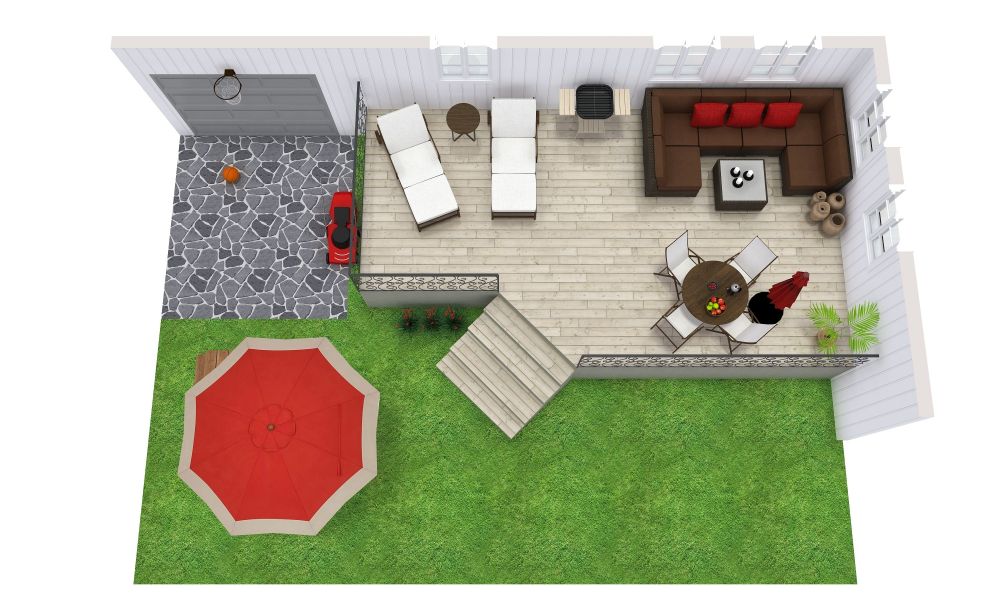
When designing a patio, several elements come into play, each contributing to both the aesthetic and functional outcome. These factors include location, size, shape, material selection, and integration with the surrounding environment.
The location of the patio sets the tone for how it will be used. For example, a patio adjacent to a kitchen can function as an outdoor dining area, while one near a garden might be used for relaxation. The shape and size determine how furniture and features fit within the space, while materials dictate durability, maintenance requirements, and visual appeal. A successful design balances all these factors while reflecting the personality of the homeowner.
Lighting, landscaping, and furniture also play a significant role in elevating patio design. Properly chosen lighting enhances ambiance and extends usability into the evening. Landscaping integration makes the patio feel like a natural extension of the environment rather than an isolated feature.
Construction Process and Techniques
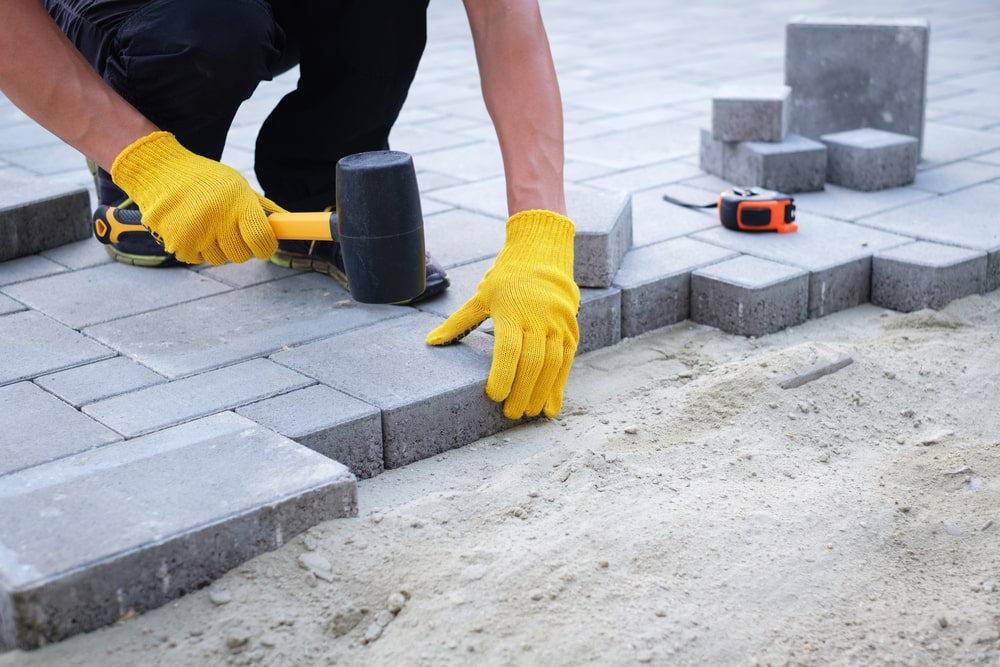
The construction process of a patio involves several crucial steps that require careful planning and precision. Initially, the site must be evaluated for drainage, soil conditions, and accessibility. Preparing the ground often includes excavation, leveling, and compacting the base to ensure structural stability.
Once the foundation is ready, construction techniques vary depending on the chosen material. For example, concrete patios require proper pouring and curing, while paver patios rely on interlocking systems for strength. Stone patios demand expert craftsmanship to position irregular slabs harmoniously. Attention to detail in this stage ensures the patio will endure changing weather conditions and remain functional for years.
Technology has enhanced construction practices significantly. Today, laser-leveling tools, high-performance adhesives, and innovative drainage systems make building patios more efficient and reliable. These advancements not only save time but also improve the long-term durability of outdoor spaces.
Real-World Examples of Patio Design and Construction
Example 1: Natural Stone Patio for Rustic Charm
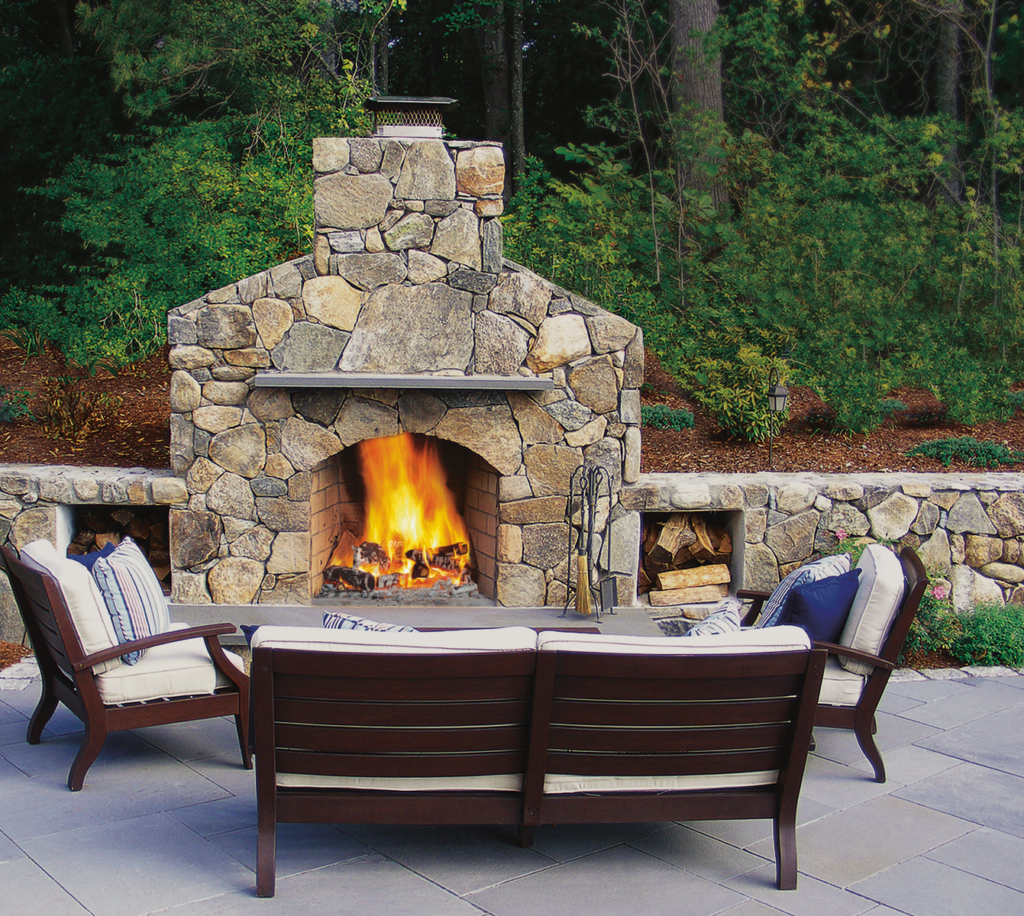
Natural stone patios are timeless and add rustic elegance to outdoor spaces. Each stone is unique, creating a one-of-a-kind surface that complements gardens, wooded backyards, or countryside homes. The irregularity of the stones adds texture and depth, making the patio appear as though it naturally belongs in the environment.
This type of patio requires skilled masonry to lay stones evenly while maintaining a natural look. Beyond aesthetics, stone patios are durable and can withstand heavy foot traffic. They are ideal for homeowners who want a low-maintenance yet visually impactful design.
Example 2: Concrete Patio with Modern Finishes
Concrete patios have evolved far beyond the plain gray slabs of the past. With techniques such as stamping, staining, and polishing, concrete can mimic the look of stone, brick, or even wood. This versatility makes it a popular choice for contemporary homes seeking a clean, modern aesthetic.
Concrete patios are also budget-friendly and relatively easy to maintain. They allow customization of color and texture, making it possible to align perfectly with the overall design of the house. When reinforced properly, concrete offers durability and longevity.
Example 3: Paver Patio for Flexible Design
Paver patios are built using interlocking bricks or stones, offering immense flexibility in design. Patterns such as herringbone, basket weave, or running bond can be created, giving the patio a distinctive look. Pavers come in a variety of colors and finishes, enabling homeowners to personalize their outdoor living area with ease.
One of the most significant benefits of paver patios is their repairability. If a section is damaged, individual pavers can be replaced without disturbing the entire structure. This feature makes them both cost-effective and sustainable in the long term.
Example 4: Elevated Wooden Deck-Style Patio
While not a traditional stone-based patio, wooden deck-style patios serve as excellent alternatives, especially in uneven terrains or sloped backyards. Built from treated lumber, hardwoods, or composite materials, these patios provide warmth and an inviting atmosphere.
They are particularly suitable for areas where traditional patios may be difficult to install. With proper sealing and maintenance, wooden patios can last for decades. Their elevated design also offers opportunities for integrating storage, plant beds, or even under-deck living spaces.
Benefits of Patio Design and Construction
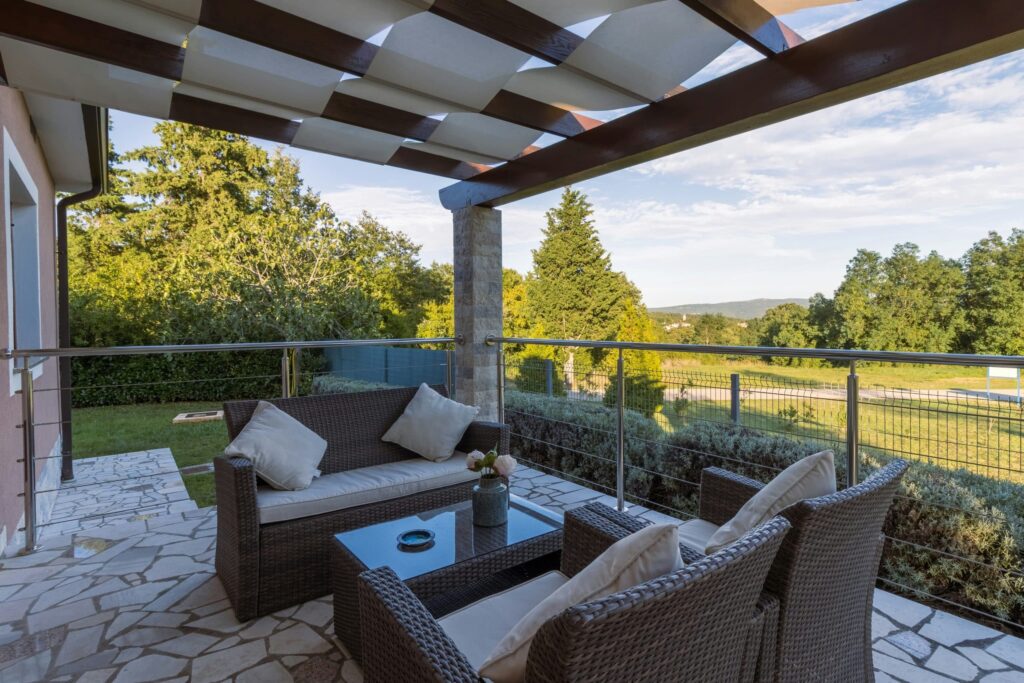
Designing and constructing a patio brings a multitude of practical benefits to homeowners. One of the most obvious advantages is the expansion of living space. A patio serves as an additional area for dining, entertaining, or relaxation, effectively extending the indoors outdoors.
Patios also significantly boost property value. Well-designed outdoor spaces are increasingly sought after in real estate markets, making homes more appealing to potential buyers. From an aesthetic perspective, patios enhance curb appeal, tying together landscaping elements with architectural style.
Another benefit lies in lifestyle enhancement. Spending time outdoors has proven health benefits, including stress reduction and improved mental well-being. A thoughtfully designed patio encourages more outdoor activity, promoting a healthier, more balanced lifestyle.
Use Cases and Practical Applications
Patio design and construction are not limited to one style or use. They adapt to a wide range of practical applications. For families, patios provide safe and versatile spaces for children to play. For professionals, they act as tranquil work-from-home retreats surrounded by fresh air.
Homeowners who enjoy entertaining can transform their patios into outdoor kitchens or dining areas. Incorporating fire pits, grills, or even pizza ovens turns patios into year-round gathering spots. In smaller properties, compact patios maximize the functionality of limited outdoor space while still providing comfort and style.
Another use case is sustainability. Patios constructed with permeable pavers or eco-friendly materials contribute to better stormwater management and reduced environmental impact. This approach demonstrates how design and construction choices can align with environmental responsibility.
Frequently Asked Questions
1. How long does it take to construct a patio?
The time frame varies depending on size, material, and complexity. A simple concrete patio might take a few days, while intricate stone or paver patios can take several weeks. Weather conditions and site preparation also influence duration.
2. What is the most durable material for patios?
Natural stone and concrete are among the most durable patio materials. Stone offers timeless beauty and resilience, while concrete provides strength with customization options. Proper installation and maintenance further enhance durability.
3. Can a patio increase my property’s value?
Yes, a well-designed and properly constructed patio adds significant value to a property. It boosts curb appeal, provides additional functional space, and appeals to potential buyers who value outdoor living.