Outdoor living has become an essential part of modern home design, and patios are at the center of this trend. However, many homeowners eventually discover that their original patio space feels limited. Whether it’s because of a growing family, more frequent entertaining, or the desire to add features like outdoor kitchens, the idea of extending an outdoor patio becomes both practical and appealing.
Extending a patio is not just about adding more square footage. It’s about creating a seamless continuation of indoor living, improving aesthetics, and enhancing functionality. This process involves choosing the right materials, design strategies, and even incorporating new technologies to ensure the space remains practical and visually pleasing for years to come.
Why Consider Extending an Outdoor Patio
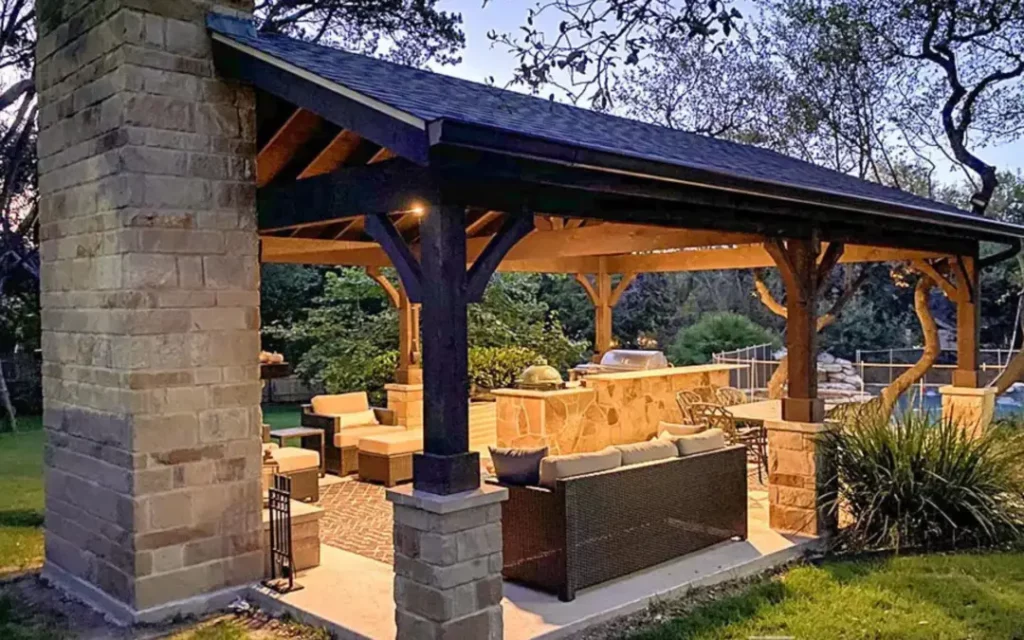
Expanding Functionality
Homeowners often realize their existing patio is too small for their lifestyle. By extending it, you can accommodate additional seating, outdoor dining areas, or even a fire pit. This makes the space more versatile and suitable for various activities, from casual family meals to large gatherings.
Enhancing Comfort and Aesthetics
A patio extension can transform a plain outdoor area into a true backyard retreat. By incorporating features such as shade structures, decorative stonework, or water features, you can make the space both visually appealing and more comfortable throughout the year. Extended patios often create a stronger connection between the home and garden, making the entire property feel more cohesive.
Real-World Examples of Extending Outdoor Patios
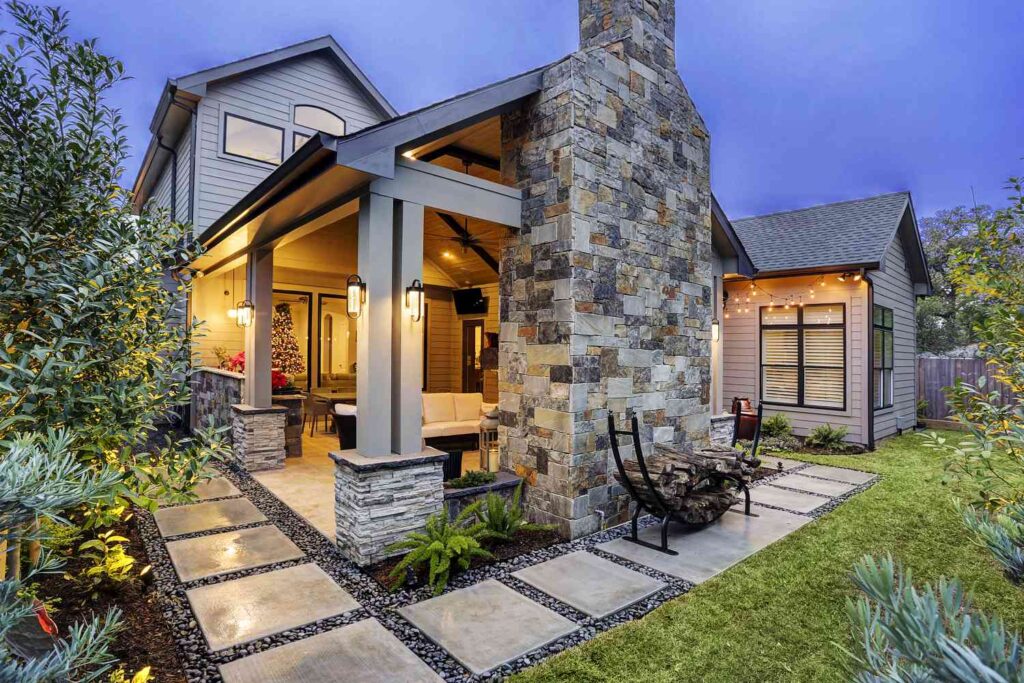
Example 1: Dining Expansion with Pavers
One homeowner decided to extend their small concrete slab patio using decorative pavers to create a dedicated dining area. The extension included space for a six-person table, as well as additional pathways connecting the patio to the garden.
This project demonstrates how extending an outdoor patio can immediately improve functionality. The family now enjoys outdoor meals without feeling cramped, and the pavers added a stylish element that elevated the look of the backyard.
Example 2: Poolside Extension
A family with a backyard pool extended their patio to wrap around the poolside. By using slip-resistant stone, the extension not only improved safety but also provided a comfortable lounging space.
The relevance of this project lies in its dual purpose, addressing both safety concerns and lifestyle upgrades. The patio extension created an ideal relaxation zone for sunbathing and entertaining near the water.
Example 3: Fire Pit Lounge Area
In another example, homeowners extended their patio in a circular shape to house a stone fire pit and built-in seating. The extension became the focal point for evening gatherings and seasonal celebrations.
This shows how even modest patio extensions can dramatically change how a space is used. The new fire pit area added warmth, ambiance, and functionality, making the backyard usable even on cooler nights.
Example 4: Outdoor Kitchen Expansion
Another popular trend is extending patios to accommodate outdoor kitchens. One homeowner added a covered section to their existing patio, complete with countertops, a grill, and storage. This transformed their backyard into a true entertaining hub.
This example highlights how patio extensions can be tailored to modern lifestyles, especially for families who love cooking and entertaining outdoors.
Benefits of Using Technology in Patio Extensions
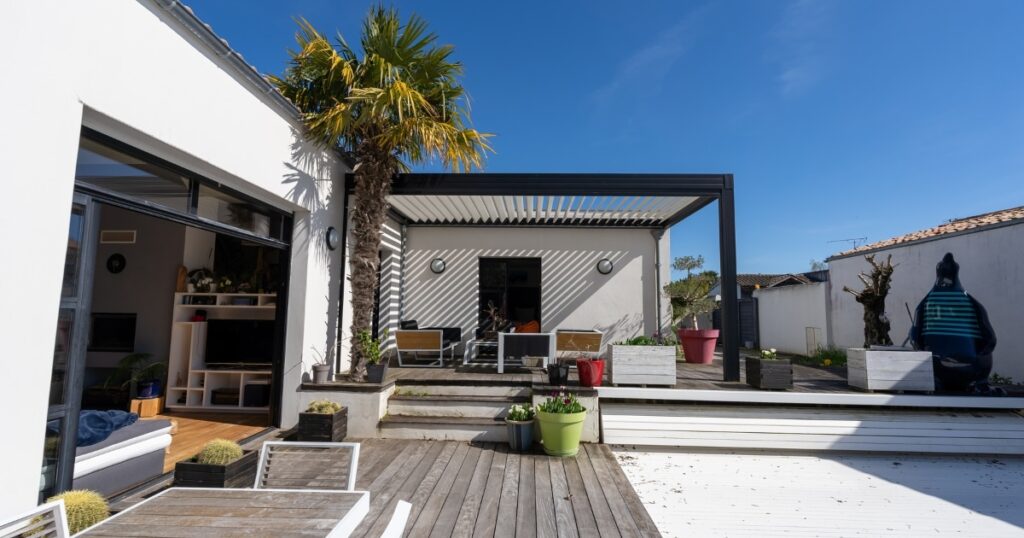
3D Design and Virtual Planning
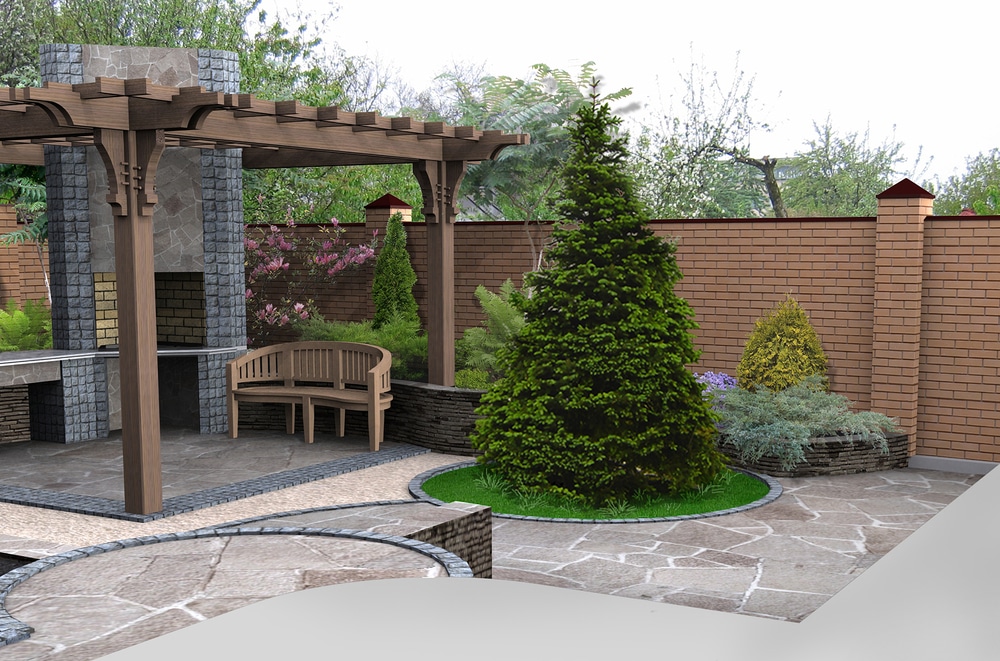
Contractors now use 3D design software to show homeowners how a patio extension will look before construction begins. This technology allows adjustments to materials, layout, and features, reducing guesswork and minimizing costly mistakes.
Visualization tools also help homeowners imagine how the extended space will integrate with the house and garden, ensuring design harmony.
Smart Lighting and Automated Systems
Technology has revolutionized patio lighting. With smart LED systems, homeowners can program lights to dim, change color, or activate with motion sensors. This adds both functionality and ambiance, making extended patios usable day and night.
Automation also extends to irrigation and sound systems, allowing complete control of the patio environment from a smartphone or tablet.
Advanced Materials and Drainage Solutions
Innovations in patio materials have made extensions more durable and low-maintenance. Permeable pavers, for example, allow water to filter through, preventing puddles and reducing erosion. Advanced sealants also extend the lifespan of concrete and stone, ensuring the extension remains beautiful for years.
Practical Advantages of Extending an Outdoor Patio
Extending a patio creates immediate benefits in terms of space and usability. Families can host larger gatherings without crowding, and outdoor activities like cooking, lounging, or games become easier.
From a financial perspective, patio extensions also boost property value. Outdoor living spaces are among the most desirable home features for potential buyers, meaning the investment can pay off in future resale.
Additionally, extended patios encourage more time outdoors. This can improve overall well-being by providing a relaxing environment to unwind and connect with nature.
Use Cases: Problems Solved by Extending Outdoor Patios
Problem 1: Limited Seating Space
Small patios often cannot accommodate enough chairs or tables. Extending the patio solves this issue by creating room for multiple seating areas, making entertaining more enjoyable.
Problem 2: Poor Indoor-Outdoor Flow
Homes with narrow patios often lack a smooth transition between interior spaces and the backyard. A well-designed extension creates continuity, especially when placed adjacent to kitchens or living rooms.
Problem 3: Seasonal Usability
A basic patio may feel unusable during hot summers or cold evenings. Extensions often include shade structures, fireplaces, or heating elements that make outdoor spaces comfortable year-round.
Frequently Asked Questions
1. How much space should I add when extending an outdoor patio?
The amount depends on how you plan to use the space. For example, a dining area may need at least 10–12 feet of depth, while a lounge area with multiple seating zones may require more. Contractors usually recommend planning for both current and future needs.
2. Does extending a patio require professional help?
While small DIY projects are possible, professional contractors ensure proper grading, drainage, and material installation. This guarantees the extension is both durable and visually appealing.
3. What materials are best for patio extensions?
Popular materials include pavers, natural stone, and stamped concrete. Each offers unique benefits in terms of durability, cost, and appearance. The best choice often depends on climate, maintenance preferences, and design style.