An outdoor patio is one of the most versatile features of a home, serving as a gathering place, relaxation zone, and extension of indoor living. However, many homeowners eventually feel the need to expand their patio space. The decision to extend an outdoor patio is often driven by a desire for more functionality, improved aesthetics, or to adapt to lifestyle changes such as entertaining larger groups or adding outdoor kitchens.
Extending a patio is more than just adding extra square footage; it’s about enhancing usability and creating a seamless flow between indoor and outdoor spaces. From design considerations to material choices, each step of the process requires careful planning to ensure the new extension matches the existing patio while elevating the overall experience.
Why Homeowners Choose to Extend Outdoor Patios
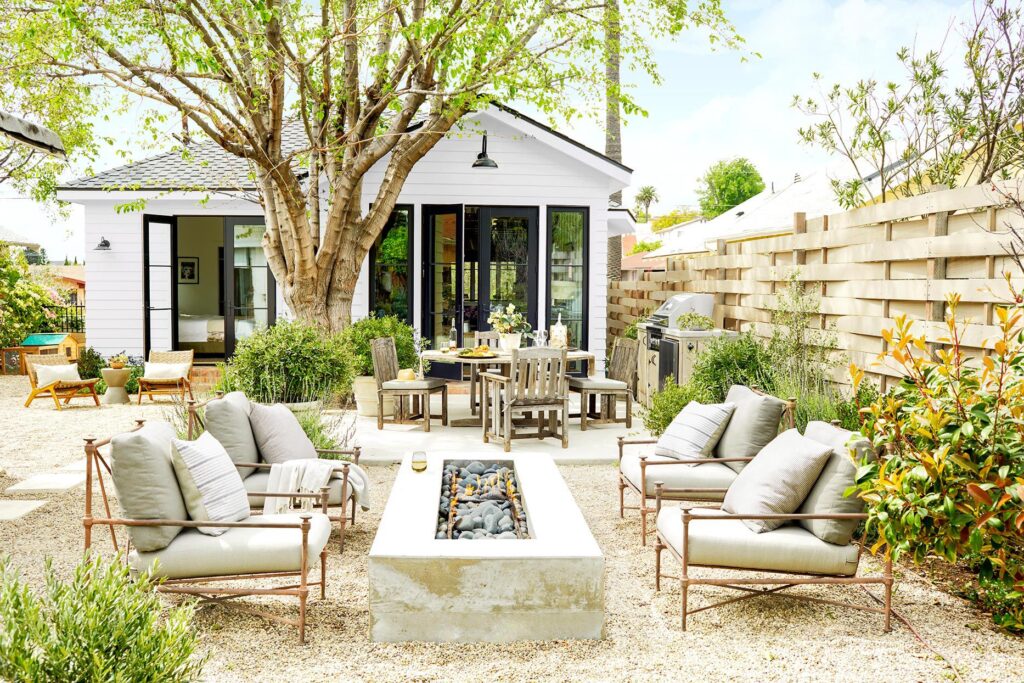
Increased Usability and Comfort
Extending an outdoor patio allows homeowners to maximize their living area. Whether it’s for hosting family gatherings, setting up an outdoor dining space, or adding lounge chairs, a larger patio provides room for more activities.
Comfort is another major factor. A well-extended patio can incorporate shade structures, built-in seating, or fire features, creating a more welcoming and practical outdoor environment year-round.
Boosting Property Value
Outdoor living spaces are increasingly in demand among homebuyers. By extending your patio, you not only improve your lifestyle but also increase the market appeal and value of your property. Contractors often emphasize that a well-designed patio extension delivers one of the highest returns on investment compared to other outdoor improvements.
Real-World Examples of Patio Extensions
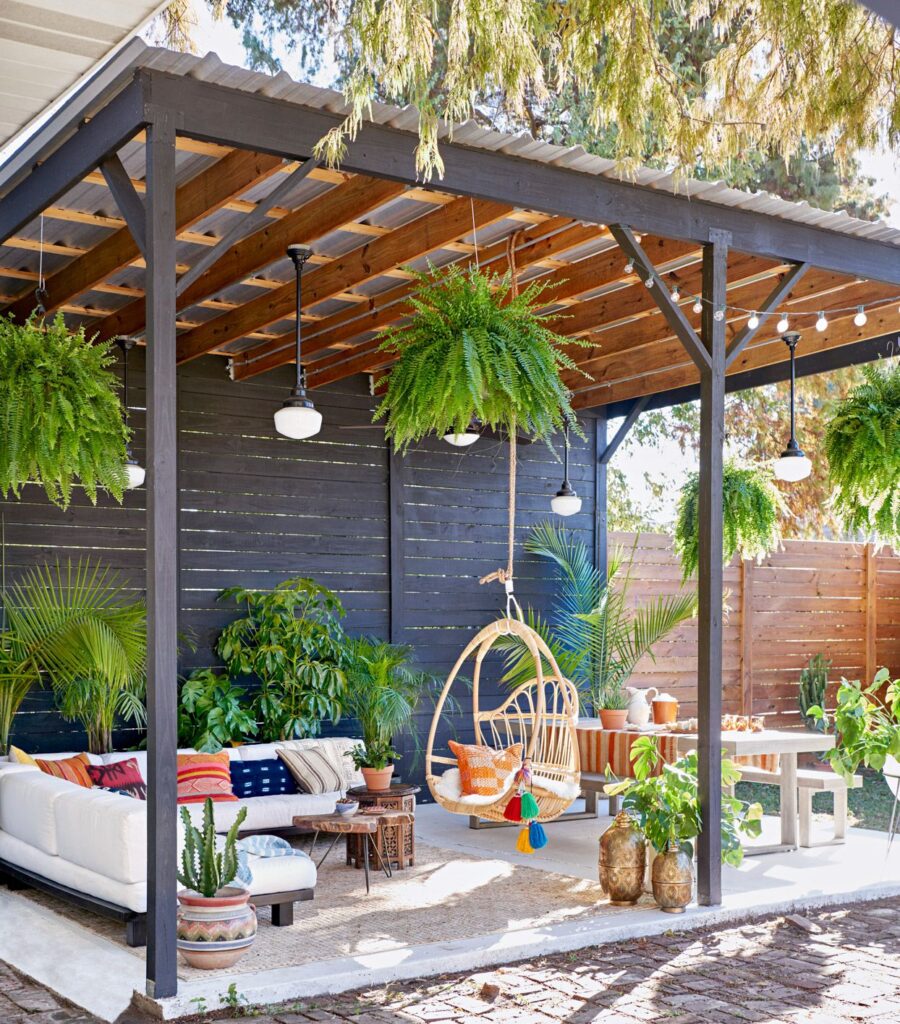
Example 1: Adding a Dining Area
One homeowner extended their patio by adding a paved section adjacent to their kitchen’s sliding doors. This extension created the perfect spot for an outdoor dining table, complete with string lighting overhead.
The relevance of this example lies in how the extension transformed a simple patio into a multifunctional dining area. It improved convenience and enhanced the homeowners’ ability to entertain guests outdoors.
Example 2: Poolside Expansion
In another project, a family extended their patio to surround a newly installed pool. The contractors used slip-resistant pavers and included built-in seating. The patio now served as a safe and stylish transition between the pool and the house.
This extension demonstrated how patio projects can address practical needs like safety while also elevating aesthetics and overall functionality.
Example 3: Cozy Fire Pit Extension
A couple extended their existing patio by creating a circular stone area for a fire pit. This new section became the focal point for evening gatherings, adding warmth and charm.
The example illustrates how even a modest extension can dramatically change the atmosphere of a backyard, offering both functional and emotional value.
Example 4: Outdoor Kitchen Extension
Another homeowner expanded their patio to include an outdoor kitchen with countertops, a grill, and a prep area. This allowed for seamless indoor-outdoor cooking and dining experiences.
This project highlights the growing popularity of functional upgrades in patio extensions, as homeowners seek to create full outdoor living environments.
Benefits of Using Technology in Patio Extensions
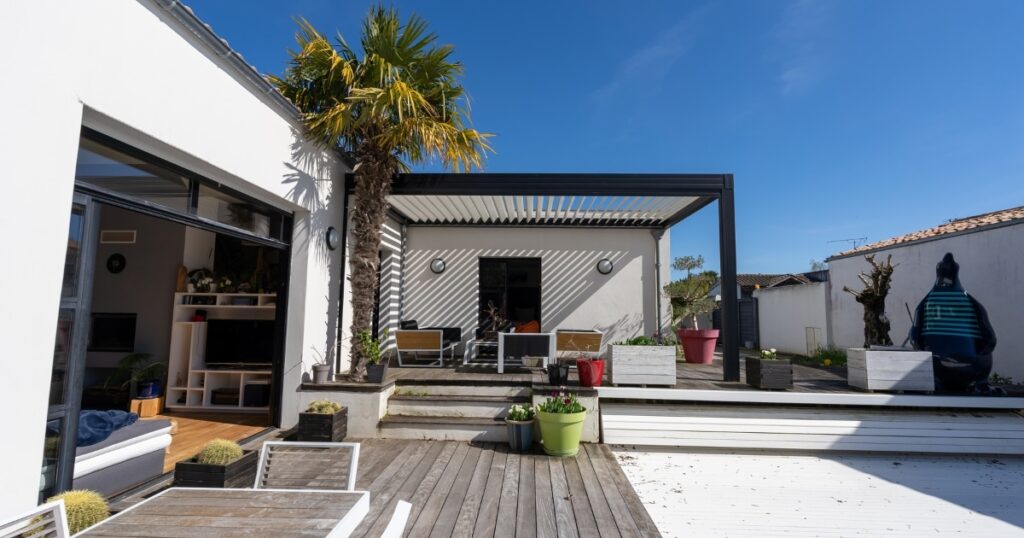
3D Visualization and Design Tools
Insert image of the product format
Modern contractors rely on 3D design software to help homeowners visualize their patio extensions before construction. These tools allow clients to see how new features—such as pergolas, seating, or pavers—will look in relation to the existing space.
This technology reduces uncertainty, ensuring the final build meets expectations and eliminates costly last-minute changes.
Smart Lighting and Automation
Patio extensions often incorporate smart lighting systems for both ambiance and safety. Wi-Fi-controlled LEDs, motion sensors, and dimmers give homeowners complete control. Automation allows lights to adjust based on time of day or activity, adding convenience and efficiency.
Innovative Materials and Drainage Solutions
Technology has improved the quality of pavers, sealants, and drainage systems. For example, permeable pavers help manage rainwater runoff, reducing puddles and erosion. Advanced sealants extend the lifespan of patio surfaces, ensuring beauty and durability.
Practical Advantages of Extending an Outdoor Patio
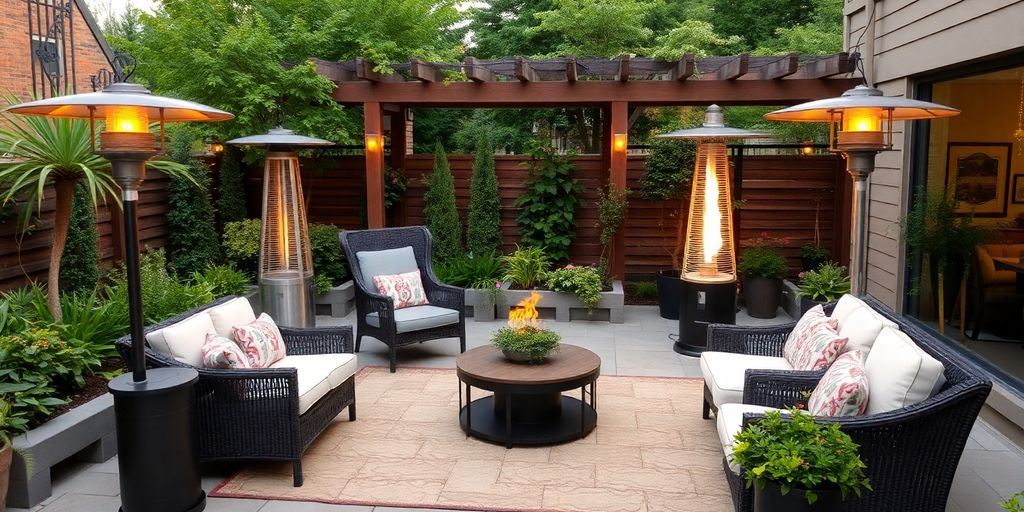
Extending a patio offers immediate and long-term benefits. Practically, it creates more space for entertaining, dining, or relaxation. This is particularly valuable for families who enjoy hosting gatherings or spending more time outdoors.
It also helps balance indoor and outdoor living. A larger patio acts as a natural bridge, blending indoor activities with outdoor comfort. Finally, patio extensions are adaptable; they can evolve with changing needs, such as adding outdoor furniture, play areas, or gardens.
Use Cases: Problems Solved by Patio Extensions
Overcrowded Patios
Small patios often feel cramped, especially when hosting multiple guests. An extension solves this issue by creating more seating and movement space.
Limited Outdoor Functionality
Without an extension, many patios lack the flexibility for multiple uses. By adding extra square footage, homeowners can incorporate dining areas, lounging zones, or entertainment features like fire pits and kitchens.
Poor Flow Between Indoor and Outdoor Spaces
A thoughtfully designed extension can create better transitions between the house and the backyard. For instance, extending directly from a kitchen or living room makes outdoor entertaining seamless.
Frequently Asked Questions
1. How long does it take to extend an outdoor patio?
The timeline depends on size, complexity, and materials. Smaller extensions can take a week or two, while larger projects with features like kitchens or fire pits may take several weeks. Contractors provide detailed schedules during planning.
2. Do I need permits to extend my patio?
Yes, permits may be required depending on your location and the scope of the project. Structural elements like roofs, retaining walls, or electrical wiring almost always require approval. Local contractors are familiar with regulations and can guide you through the process.
3. What materials are best for patio extensions?
Common choices include concrete, natural stone, and pavers. Each material has unique benefits in terms of cost, appearance, and maintenance. Contractors help homeowners choose based on lifestyle, climate, and design preferences.