Commercial patio seating has become an essential element for businesses that prioritize customer comfort and outdoor experience. From restaurants and cafés to hotels and community parks, well-designed outdoor seating areas create inviting environments that encourage people to stay longer and return more often.
Unlike residential furniture, commercial patio seating is specifically engineered for heavy use, weather resistance, and long-term durability. These seating solutions balance practicality, aesthetics, and ergonomics, ensuring both functionality and style. For businesses, investing in the right seating is more than just providing a chair—it’s about shaping guest experiences and brand identity.
Key Features of Commercial Patio Seating
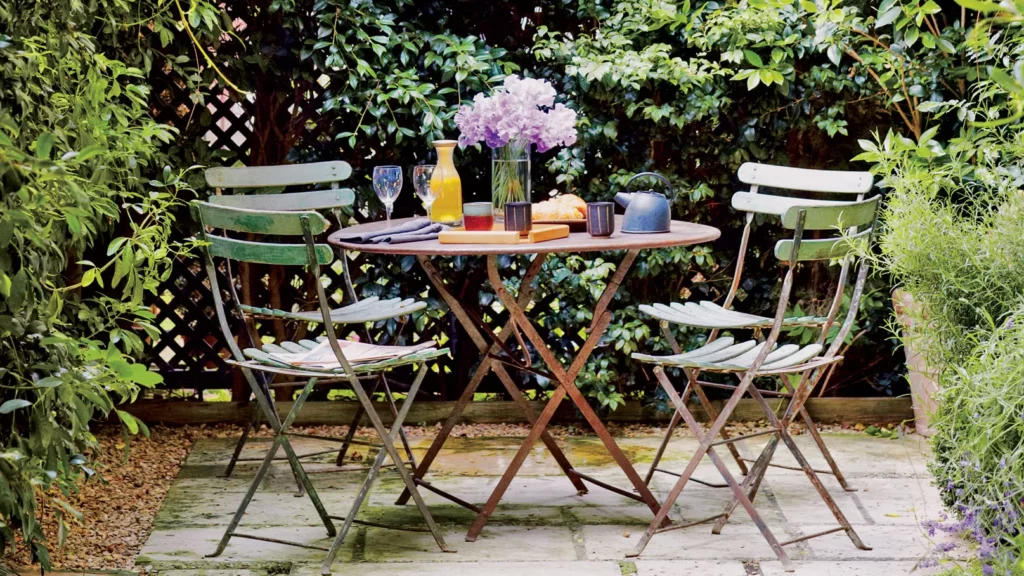
Commercial patio seating distinguishes itself through its materials, construction, and performance. High-quality materials such as powder-coated aluminum, weather-resistant wicker, marine-grade stainless steel, and UV-protected plastics are commonly used to withstand sun exposure, rain, and daily wear.
Design versatility is another key aspect. Seating options range from stackable chairs for easy storage to modular lounge seating that adapts to different layouts. Many models also incorporate ergonomic designs, ensuring that comfort remains uncompromised even during extended use.
Additionally, durability is reinforced through reinforced joints, rust-resistant finishes, and fade-resistant fabrics. These features ensure that seating retains its appearance and usability over the years of commercial service.
Benefits of Technology in Commercial Patio Seating
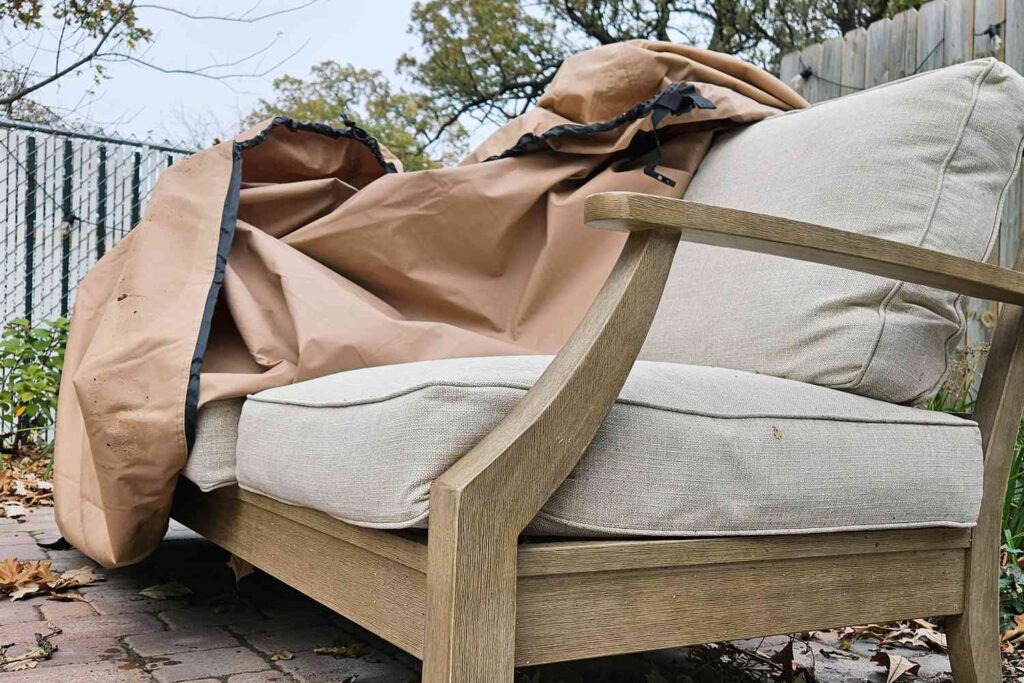
Advancements in technology have significantly improved the performance and longevity of commercial patio seating. Materials innovation is a major driver of solution-dyed acrylic fabrics, for example, which maintain vibrant colors despite continuous sun exposure. Waterproof coatings prevent mildew, while breathable mesh materials improve comfort in hot climates.
Smart design also integrates features such as modular systems that allow quick reconfiguration of outdoor spaces. Some seating even incorporates hidden charging ports for mobile devices, a feature particularly appealing to modern cafés and hospitality venues.
Manufacturers are also utilizing 3D modeling and precision engineering to create seating that balances aesthetics with structural integrity. These technological advancements allow businesses to invest in seating solutions that meet both practical needs and evolving customer expectations.
Real-World Examples of Commercial Patio Seating
Example 1: Restaurant Outdoor Dining Chairs
Restaurants rely heavily on outdoor dining spaces to attract customers, especially in warmer climates. Sturdy yet comfortable dining chairs with weather-resistant cushions provide the perfect balance of function and comfort. Their lightweight construction makes them easy to move and reconfigure depending on party size and layout needs.
In addition to their durability, these chairs enhance the dining atmosphere. Restaurants often select styles that reflect their brand identity, modern metal frames for urban cafés or rustic wood designs for countryside eateries. Well-chosen seating encourages diners to enjoy longer meals outdoors, which directly contributes to business revenue.
Example 2: Resort Lounge Seating
Resorts frequently incorporate lounge seating into their outdoor pool areas, beaches, or garden spaces. Adjustable loungers with waterproof cushions allow guests to relax in comfort while enjoying the open air. Commercial-grade loungers are built to withstand prolonged sun exposure, constant use, and frequent cleaning.
These loungers not only improve guest satisfaction but also serve as an extension of the resort’s luxury branding. The choice of materials as synthetic wicker or powder-coated aluminum, ensures both a stylish look and practical resilience against coastal humidity and salt exposure.
Example 3: Community Park Benches
In public spaces like parks and recreational areas, commercial seating often takes the form of benches. Built from materials such as recycled plastic lumber, treated hardwood, or cast aluminum, these benches are designed to withstand heavy daily use and varying weather conditions.
Community benches provide essential rest stops for visitors, encouraging longer stays and social interaction. They also enhance the overall accessibility of public areas, making them more welcoming to families, seniors, and individuals with mobility challenges.
Example 4: Hotel Courtyard Modular Sofas
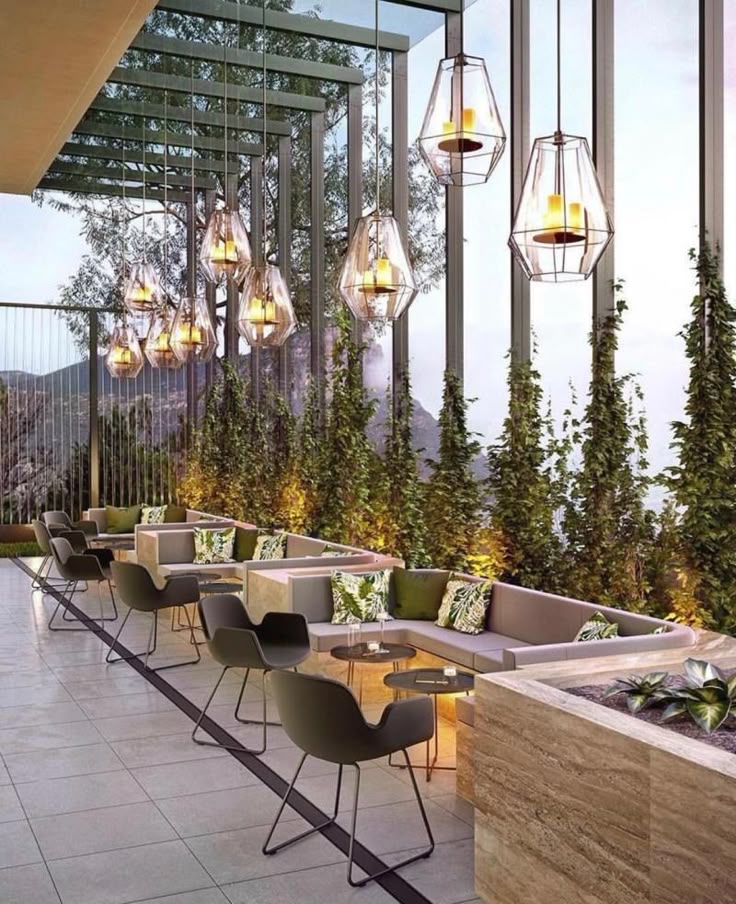
Hotels and hospitality venues often invest in modular patio sofas for courtyards, rooftop terraces, and outdoor lounges. These seating systems allow flexibility in arrangement, making it possible to host different types of events, from casual gatherings to private functions.
Durability is again a key factor, with weather-resistant upholstery and corrosion-proof frames ensuring longevity. The luxurious design contributes to the overall ambiance of the property, reinforcing a brand’s focus on comfort and exclusivity. Guests are more likely to spend time outdoors when seating is both inviting and adaptable.
Example 5: Café Bistro Patio Seating
For small cafés and bistros, space efficiency is vital. Compact stackable chairs paired with small tables allow maximum occupancy without overcrowding. These seating solutions are designed for easy storage and rearrangement, accommodating different customer volumes throughout the day.
Their aesthetic design also plays a significant role. Bistro chairs with colorful finishes or patterned cushions can transform a small outdoor space into a lively and attractive dining area. For customers, this creates a sense of charm and comfort that enhances the overall café experience.
Benefits of Commercial Patio Seating
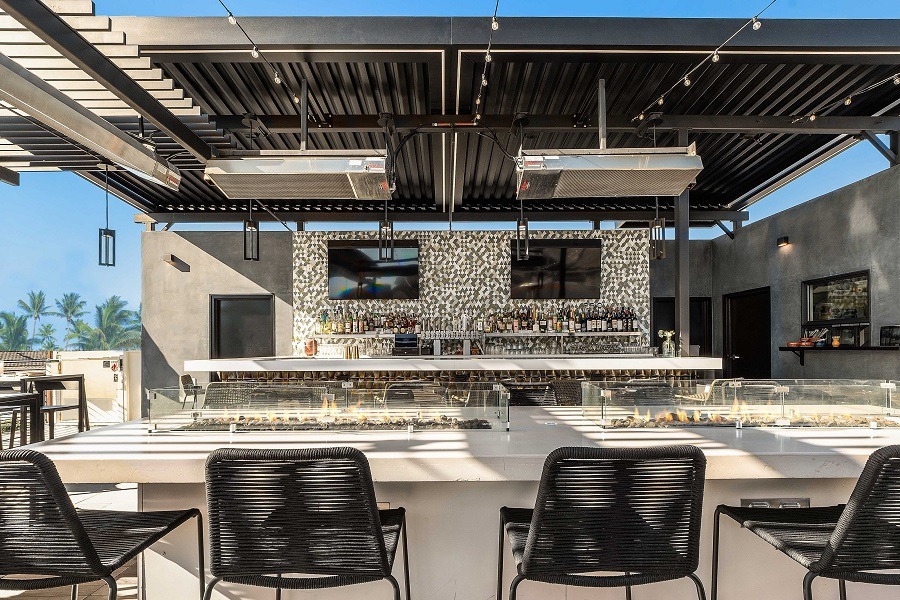
Commercial patio seating provides multiple layers of benefits for businesses and public venues. First, it maximizes es usability of outdoor spaces, converting underutilized areas into profitable or functional environments. For restaurants, this translates into increased seating capacity and revenue. For public spaces, it means improved accessibility and visitor satisfaction.
Second, it enhances customer comfort. Ergonomic designs, cushioned materials, and adjustable features ensure that guests feel relaxed and welcome. A comfortable seating arrangement encourages longer visits, repeat customers, and positive reviews.
Third, patio seating strengthens brand identity. The design and material choices reflect the personality of a business—modern, rustic, luxurious, or casual. A well-curated seating area becomes part of the visual storytelling that sets one establishment apart from competitors.
Finally, the durability of commercial-grade furniture ensures long-term value. Though initial costs may be higher, the reduced need for replacement and maintenance saves businesses money in the long run.
Practical Use Cases for Commercial Patio Seating
Commercial patio seating addresses a variety of real-world challenges. Restaurants, for instance, often need flexible seating that can adapt to changing weather and fluctuating customer volumes. Stackable chairs and durable materials solve this by being both practical and adaptable.
Resorts and hotels benefit from seating that enhances guest comfort while aligning with luxury branding. By providing loungers and modular sofas, they create outdoor spaces where guests want to spend time, ultimately improving customer satisfaction scores.
Public spaces use durable benches to promote inclusivity and accessibility, making community areas more inviting and accommodating. Similarly, cafés with limited space rely on compact seating to create cozy, profitable patios.
In each case, commercial patio seating solves the problem of transforming outdoor areas into functional, welcoming environments that meet both customer expectations and operational needs.
Frequently Asked Questions
1. What materials are best for commercial patio seating?
Commercial patio seating often uses powder-coated aluminum, stainless steel, treated hardwood, synthetic wicker, or recycled plastic. These materials resist weather damage, UV fading, and frequent use, making them suitable for long-term outdoor applications.
2. How does commercial patio seating improve customer experience?
By providing comfort, functionality, and aesthetic appeal, commercial seating encourages customers to spend more time outdoors. Comfortable and well-designed seating enhances satisfaction, increases repeat visits, and strengthens brand perception.
3. Is commercial patio seating worth the investment for small businesses?
Yes. Even small cafés or bistros can benefit from commercial-grade seating. Its durability reduces replacement costs, while its design creates inviting outdoor spaces that attract more customers and increase revenue potential.