Commercial patio lounge furniture plays a vital role in shaping the aesthetics and functionality of outdoor spaces for businesses. From hotels and restaurants to resorts, office complexes, and public spaces, the right lounge furniture can transform an open area into a welcoming environment that encourages relaxation and social interaction.
Unlike residential furniture, commercial patio lounge furniture is specifically designed to withstand constant use, changing weather conditions, and the demands of high-traffic environments. It combines style with durability, offering businesses the opportunity to create visually appealing spaces without compromising on strength and longevity.
Key Design Elements of Commercial Patio Lounge Furniture
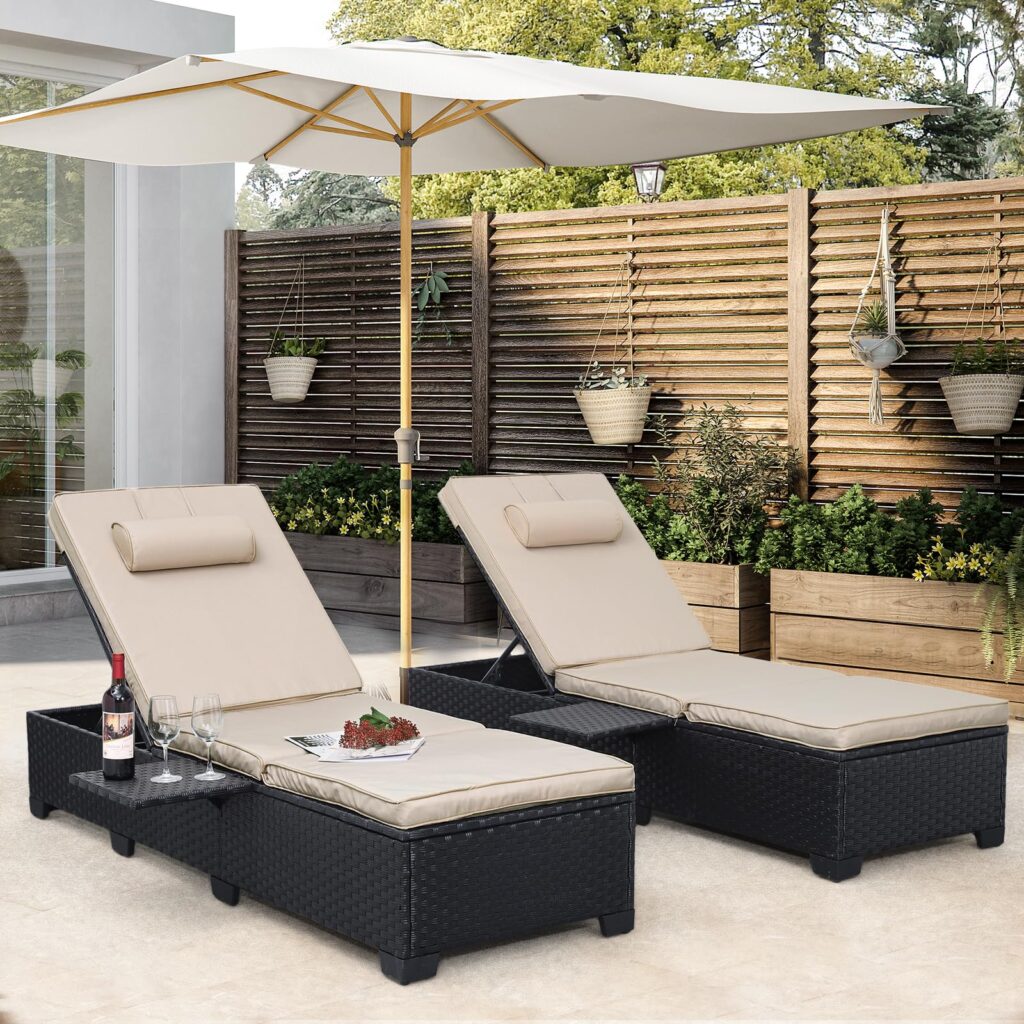
The design of commercial patio lounge furniture goes beyond aesthetics. Comfort, durability, and adaptability are crucial considerations. Materials such as aluminum, synthetic wicker, teak, and recycled plastics dominate the market due to their resilience in outdoor conditions. Cushions and fabrics used in these products are often UV-resistant, quick-drying, and mold-resistant to ensure long-term usability.
Ergonomics is also an important factor. Lounge furniture is meant for relaxation, so chairs, sofas, and sectionals must provide adequate support while maintaining a stylish profile. Modular designs are increasingly popular, as they allow businesses to reconfigure seating arrangements depending on the event or space requirements.
Attention to detail, such as powder-coated frames, reinforced joints, and fade-resistant textiles, ensures that the furniture remains visually appealing and structurally strong despite exposure to sun, rain, and constant use.
Construction Techniques and Technology in Patio Lounge Furniture
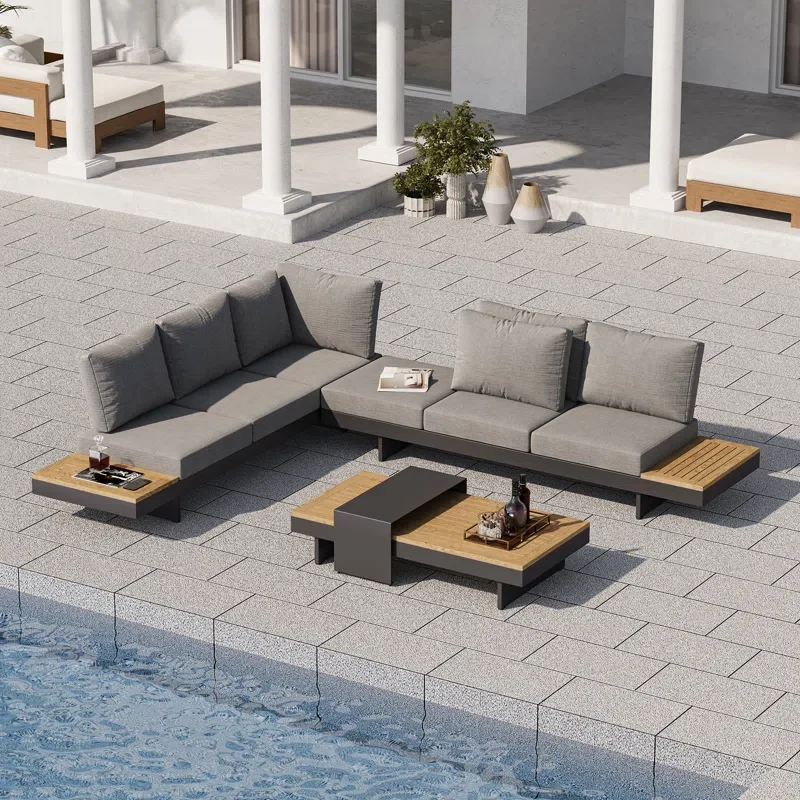
Commercial patio lounge furniture benefits from innovative construction techniques and advanced technologies. Modern manufacturing processes focus on strength without sacrificing design flexibility. For example, welded aluminum frames provide lightweight durability, while resin wicker is handwoven over frames for a natural look combined with enhanced weather resistance.
Technology has also transformed outdoor fabrics. High-performance textiles like solution-dyed acrylics retain vibrant colors even after years of sun exposure, while waterproof padding ensures quick-drying properties. Some manufacturers incorporate eco-friendly production techniques, using recycled materials to align with sustainability goals.
Advances in protective coatings and anti-rust treatments further extend the lifespan of commercial lounge furniture, reducing the need for frequent replacements. These innovations show how technology ensures both style and long-term practicality.
Real-World Examples of Commercial Patio Lounge Furniture
Example 1: Modular Sectional Lounge for Hotels
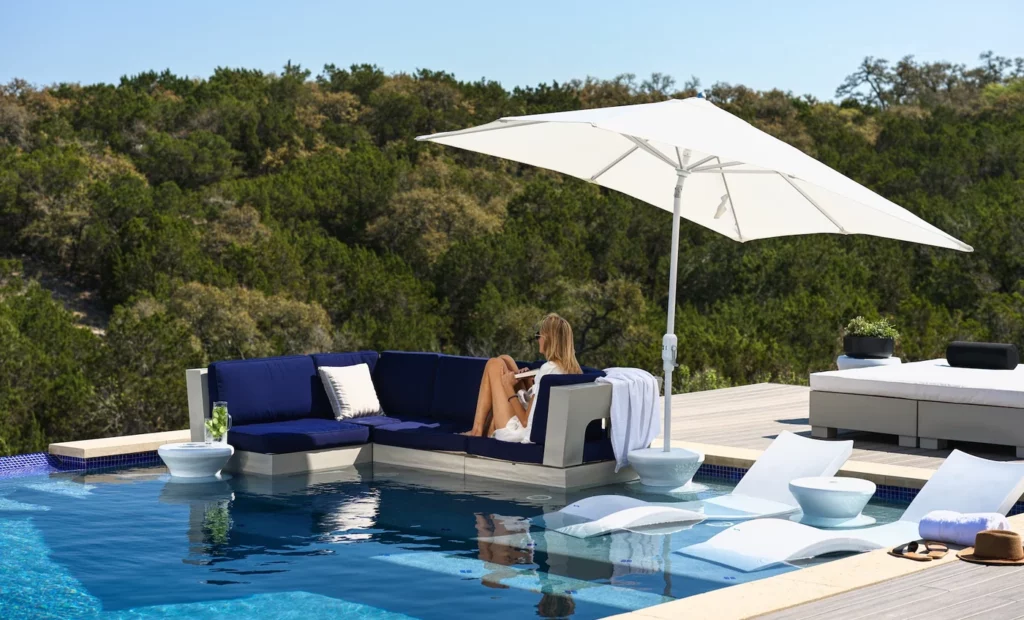
Hotels often rely on modular sectional lounge furniture to create versatile seating arrangements. These large sectionals can be configured into different shapes, accommodating both intimate gatherings and large groups. Their design blends luxury with functionality, providing comfort while enhancing the visual appeal of poolside areas or courtyards.
The modular feature is especially useful for hospitality settings, where the furniture must adapt to different events, from weddings to casual social gatherings. The flexibility of these lounges makes them ideal for businesses that prioritize both aesthetics and practicality.
Example 2: Wicker Lounge Chairs for Resort Ambience
Synthetic wicker lounge chairs are widely used in resorts to create a warm, inviting, and natural aesthetic. Unlike natural rattan, synthetic wicker is weather-resistant, durable, and easy to clean, making it perfect for coastal environments where humidity and salt exposure are common.
These chairs provide guests with a luxurious seating experience while blending seamlessly with tropical landscapes. Their combination of traditional design and modern materials demonstrates how resorts can maintain a natural ambiance without compromising durability.
Example 3: Aluminum Frame Sofas for Restaurants
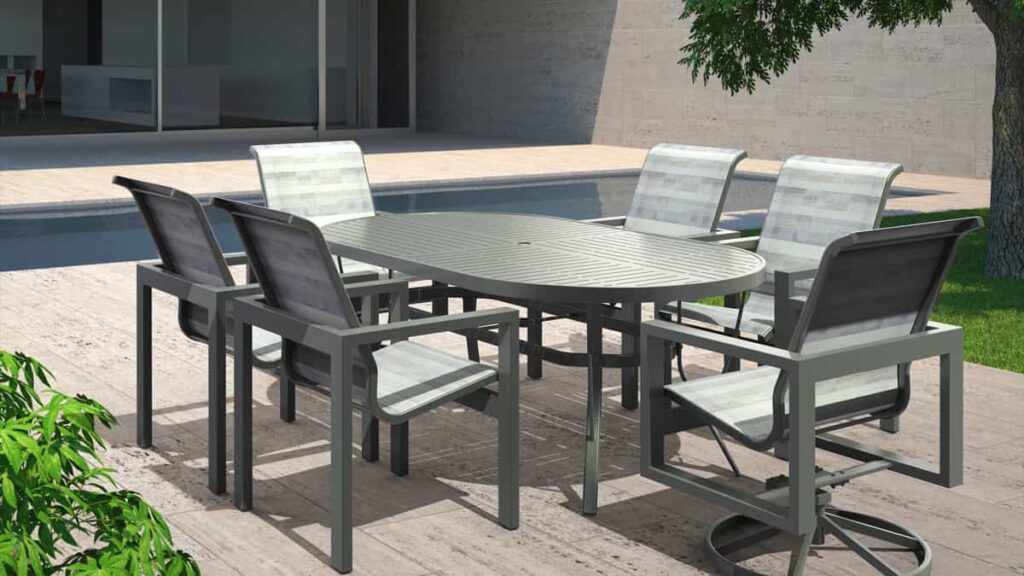
Restaurants often choose aluminum-framed sofas and lounge chairs due to their modern look and lightweight structure. Aluminum resists rust, making it ideal for rooftop patios, terraces, or outdoor dining spaces exposed to rain and changing weather.
The minimalist design of aluminum furniture aligns with contemporary architectural styles, giving restaurants a chic appearance while remaining practical for daily use. Their lightweight nature also allows staff to rearrange seating easily to accommodate varying customer needs.
Example 4: Poolside Chaise Lounges for Hospitality Venues
Chaise lounges are a staple in poolside settings, offering both functionality and comfort for guests looking to relax, sunbathe, or read. Built with adjustable backrests, these lounges provide flexibility for different preferences. Materials like aluminum, synthetic wicker, or recycled plastics make them durable and low-maintenance.
Their relevance lies in their role as both practical and aesthetic additions to hospitality venues. They enhance the guest experience, making pool areas more inviting while maintaining a professional, high-end appearance.
Example 5: Recycled Plastic Lounge Furniture for Eco-Friendly Businesses
For businesses and institutions with sustainability goals, recycled plastic lounge furniture is an ideal solution. These pieces mimic the look of wood but are resistant to rot, splintering, and fading. They are often used in schools, corporate campuses, and eco-conscious resorts.
The use of recycled plastic aligns with environmental responsibility while ensuring long-term durability. This type of furniture demonstrates how design and sustainability can work together to create attractive, eco-friendly outdoor lounge spaces.
Benefits of Commercial Patio Lounge Furniture
Commercial patio lounge furniture offers numerous benefits that extend beyond visual appeal. One of the primary advantages is durability. Designed for commercial use, these products withstand heavy foot traffic and constant outdoor exposure, reducing the need for frequent replacements.
Another significant benefit is guest and customer satisfaction. Comfortable and stylish outdoor seating encourages longer stays, enhances relaxation, and contributes to positive experiences. For businesses in hospitality, restaurants, or corporate environments, this translates into improved reputation and customer loyalty.
Technology-driven materials also bring advantages. UV-resistant fabrics, powder-coated frames, and waterproof cushions reduce maintenance costs and ensure the furniture remains attractive over time. Furthermore, sustainable designs contribute to eco-friendly branding, appealing to environmentally conscious customers.
Practical Use Cases for Commercial Patio Lounge Furniture
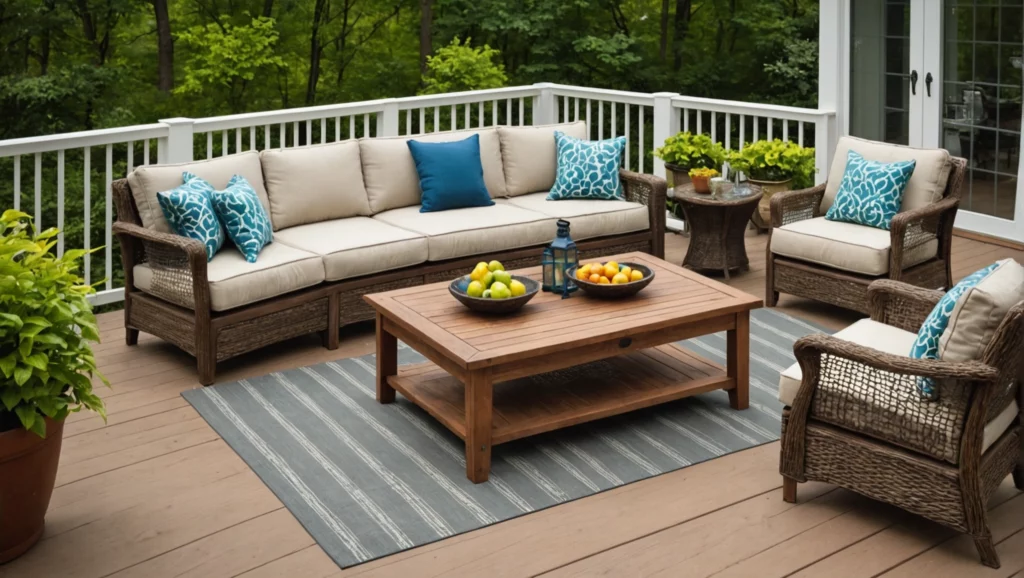
Commercial patio lounge furniture solves a variety of real-world problems across industries. In hospitality, it creates inviting outdoor areas where guests can relax, socialize, or enjoy poolside amenities. Restaurants use lounge furniture to extend seating capacity into outdoor areas, allowing businesses to serve more customers while offering a unique ambiance.
In corporate environments, outdoor lounges foster employee well-being by providing spaces for breaks, casual meetings, or team-building activities. Schools and universities use lounge furniture to create outdoor study areas, encouraging students to learn in natural environments.
Another practical use case is in resorts and community centers, where furniture transforms open spaces into comfortable and functional gathering areas. By providing durable and aesthetically pleasing seating, commercial patio lounge furniture enhances usability and maximizes the value of outdoor spaces.
Frequently Asked Questions
1. What materials are best for commercial patio lounge furniture?
Aluminum, synthetic wicker, teak, and recycled plastics are commonly used due to their durability and resistance to weather. These materials require minimal maintenance and retain their aesthetic appeal over time.
2. How long does commercial patio lounge furniture last?
With proper care, high-quality commercial patio lounge furniture can last 10–20 years or more. Factors such as material choice, exposure to weather, and maintenance practices affect overall longevity.
3. Is commercial patio lounge furniture customizable?
Yes, many designs can be customized in terms of fabric colors, cushion styles, and modular configurations. This allows businesses to match their outdoor furniture with their brand identity and specific design goals.