Every lawn owner understands the frustration of seeing weeds spread uncontrollably or pests silently damaging healthy turf. Whether it’s dandelions competing for nutrients or grubs feeding on the grass roots, both weeds and pests threaten the appearance and longevity of lawns.
Lawn pest and weed control is not just about improving l;oks, it’s about creating a balanced environment where grass can thrive without constant disruption. Through a combination of professional techniques, integrated pest management, and preventative strategies, homeowners and property managers can maintain a lawn that is lush, safe, and resilient year-round.
Why Lawn Pest and Weed Control is Essential
Weeds and pests share one thing in common: they weaken grass by stealing resources. Weeds grow aggressively, shading and choking out turfgrass, while pests feed directly on leaves, stems, or roots. Left unchecked, the damage can be severe, leading to bare patches, yellowing grass, and costly restoration.
Effective pest and weed management helps prevent long-term lawn decline. By treating issues early and combining cultural, mechanical, and biological solutions, lawn care programs build stronger turf that naturally resists weeds and recovers faster from pest infestations.
Core Strategies for Lawn Pest and Weed Control

Weed Prevention and Removal
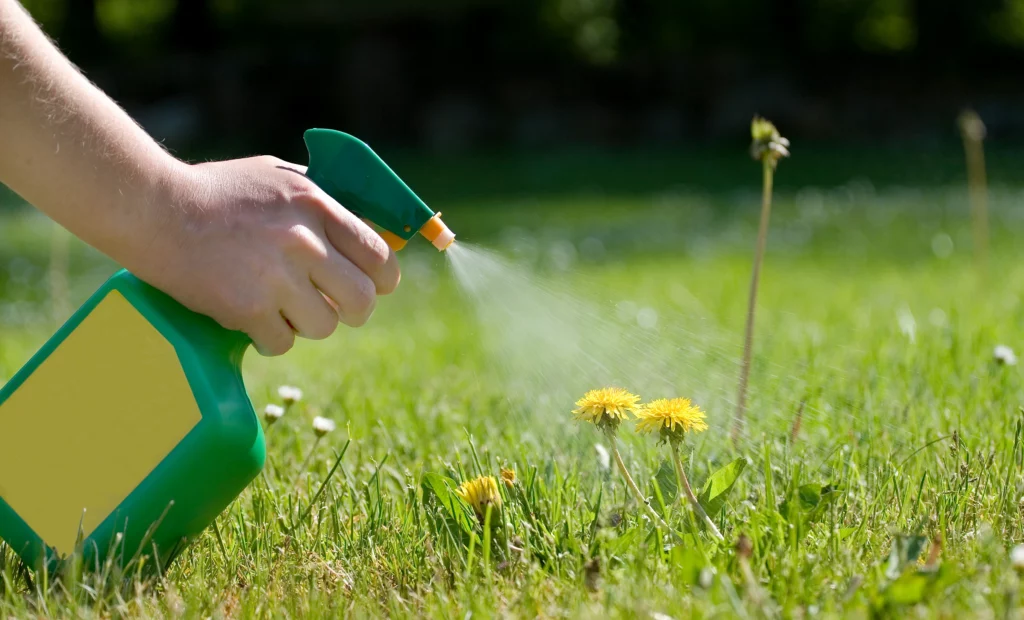
A major part of lawn care is preventing weed seeds from germinating. Pre-emergent treatments stop weeds before they sprout, while post-emergent products target weeds that have already grown. Beyond chemical control, mowing at the right height and overseeding are natural ways to keep weeds from establishing.
Pest Monitoring and Management
Pests like grubs, chinch bugs, and sod webworms can cause severe damage if unnoticed. Regular monitoring allows for early detection, which is key to minimizing treatment needs. Integrated pest management blends biological controls, such as beneficial insects, with targeted treatments to reduce chemical dependency.
Fertilization and Soil Care
Healthy soil builds strong roots, which naturally resist pest and weed invasions. Fertilization restores essential nutrients, while aeration loosens compacted soil, encouraging deeper root growth. A thriving lawn is the best defense against weeds and pests.
Proper Irrigation Practices
Watering mistakes often fuel pest and weed problems. Overwatering encourages fungal growth and weak roots, while underwatering stresses grass, making it vulnerable to invaders. Smart irrigation schedules promote healthier, more pest-resistant turf.
Real-World Examples of Lawn Pest and Weed Control
Example 1: Home Lawn with Grub Infestation
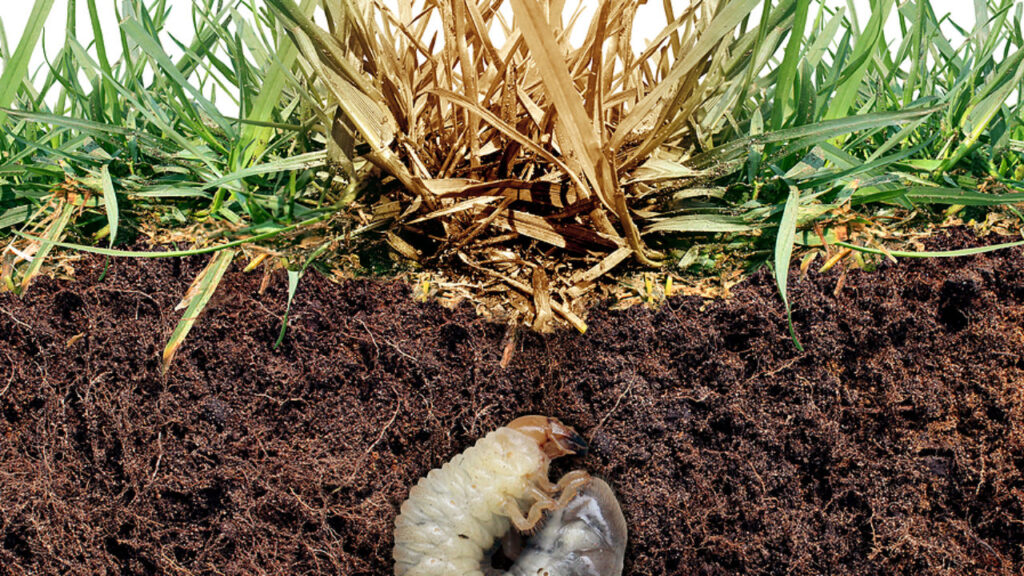
A homeowner noticed circular brown patches in their backyard. Digging a small patch revealed white grubs feeding on the roots. Professionals applied a grub treatment and later reseeded to restore coverage. This case highlights how pest control combined with recovery techniques prevents long-term damage.
Example 2: Family Yard Overtaken by Dandelions
A family’s lawn became covered with dandelions, making it unattractive and difficult for kids to play. Selective herbicides were applied, followed by soil enrichment to strengthen the turf. Within a season, the grass thickened, naturally crowding out new weed growth and restoring a safe, green play space.
Example 3: Commercial Property Pest and Weed Program
An office complex struggled with weeds in high-traffic areas and insect damage in shaded spots. A customized year-round plan included pre-emergent weed treatments, pest monitoring, and scheduled fertilization. The property regained a professional look, creating a welcoming atmosphere for tenants and visitors.
Example 4: Park Lawn Damaged by Armyworms
A community park was hit by armyworms, leaving large areas bare and unusable. Lawn experts used biological pest control methods and implemented aeration with overseeding. In a few months, the park lawn recovered, allowing families to safely use the open spaces again.
Example 5: Eco-Friendly Pest and Weed Control for a Green Home
A homeowner requested natural solutions instead of chemicals. Lawn care professionals used beneficial nematodes for pests, mulch for weed suppression, and organic fertilizers for soil health. This eco-friendly approach balanced effective results with environmental responsibility.
Benefits of Using Technology in Lawn Pest and Weed Control
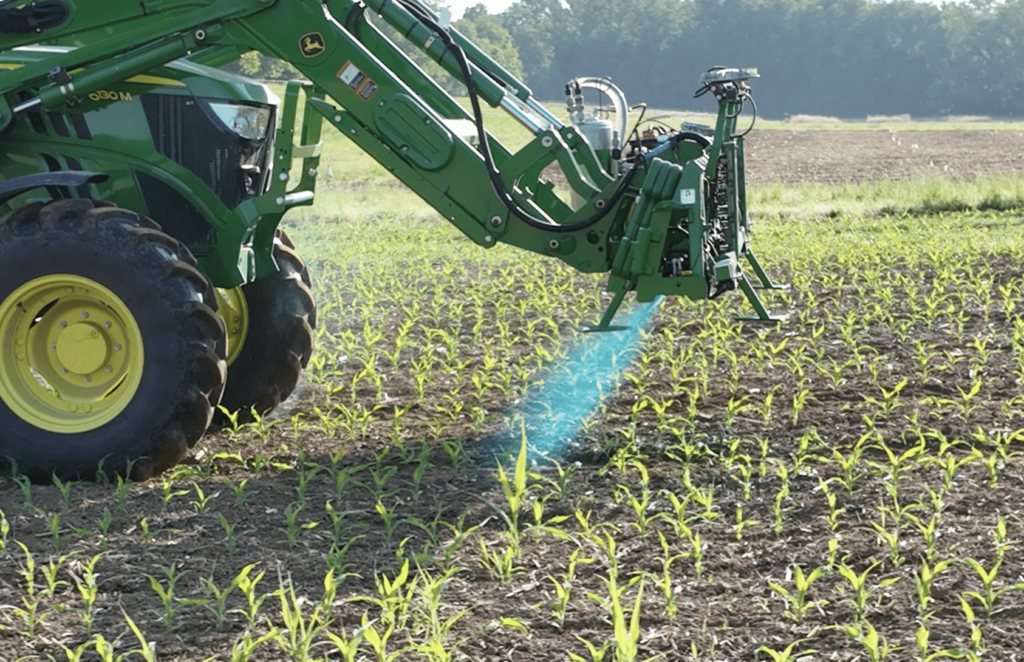
Modern technology is transforming lawn care practices. Precision spraying equipment ensures treatments only target problem areas, minimizing chemical use. Drones and digital mapping identify weed or pest hotspots, improving efficiency.
Smart irrigation systems prevent overwatering, which is a leading cause of lawn pest problems. Homeowners can also track service progress through mobile apps, receiving updates and recommendations in real time. By blending technology with traditional care, lawn services deliver faster, safer, and more sustainable results.
Practical Benefits of Professional Lawn Pest and Weed Control
Stronger and Healthier Grass
Consistent treatments and soil care make grass more resilient, reducing the risk of reinfestation.
Long-Term Cost Savings
Addressing problems early avoids costly full-lawn replacements, saving money over time.
Increased Property Value
A pest-free, weed-free lawn boosts curb appeal, making properties more attractive.
Environmentally Responsible Practices
Many services use integrated pest management and organic solutions, reducing environmental impact.
Time and Convenience
Homeowners save time and stress by relying on professionals equipped with expertise and specialized tools.
Real-Life Use Cases of Lawn Pest and Weed Control
Family Homes and Pet-Friendly Yards
Weeds and pests can create unsafe conditions for children and pets. Professional care keeps yards both healthy and safe.
Event-Ready Lawns
Before weddings, birthdays, or outdoor gatherings, lawn services prepare yards to look lush, green, and inviting.
Residential Communities and HOAs
Neighborhood associations maintain uniform curb appeal and healthy shared spaces through consistent lawn programs.
Commercial Landscapes
Weed-free and pest-free lawns enhance the professional image of businesses, schools, and healthcare facilities.
Frequently Asked Questions
1. How do I know if my lawn has a pest problem or just weeds?
Pests often leave brown patches, thinning areas, or visible insects, while weeds appear as unwanted plants competing with grass. Professional inspection can confirm the cause.
2. Is lawn pest and weed control safe for pets and children?
Yes. Many services now offer eco-friendly and pet-safe treatments. Always confirm with your provider before scheduling applications.
3. How often should lawn pest and weed control be performed?
Most lawns benefit from seasonal treatments, though frequency depends on grass type, climate, and the severity of pest or weed issues.