Commercial outdoor picnic tables are essential for creating functional and inviting public or semi-public spaces. Unlike residential picnic tables, these structures are built with higher durability, greater seating capacity, and long-term usability in mind. They are a common sight in parks, schools, workplaces, resorts, and recreational areas, where comfort and practicality must blend seamlessly.
Understanding commercial outdoor picnic tables involves more than just identifying a place to sit and eat. It includes knowing the materials used, the design principles behind them, and the functional roles they play in fostering social interaction, accessibility, and sustainability. With the right design and construction, they can transform outdoor areas into vibrant gathering spots that withstand heavy use and diverse weather conditions.
Key Design Features of Commercial Outdoor Picnic Tables
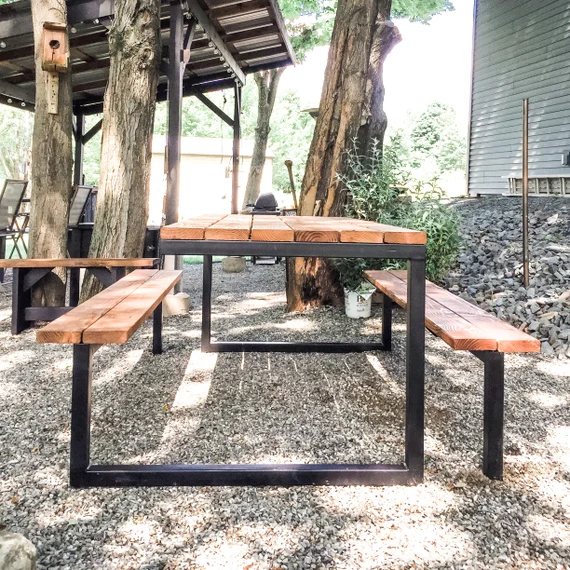
The design of commercial outdoor picnic tables prioritizes durability, comfort, and adaptability. These tables must endure constant use, exposure to outdoor elements, and potential vandalism, all while remaining safe and welcoming to users. Materials play a critical role here. Metal, recycled plastic, pressure-treated wood, and concrete are among the most common options, each offering distinct strengths.
Beyond materials, design features also include seating configuration, accessibility for people with disabilities, and ease of maintenance. For instance, round picnic tables encourage social interaction by placing everyone face-to-face, while rectangular designs maximize seating capacity. Wheelchair-accessible tables reflect inclusivity, ensuring all community members can enjoy outdoor spaces.
Attention to details such as protective coatings, reinforced frames, and anti-rust finishes ensures that commercial tables perform well over many years. This combination of thoughtful design and practical features makes them indispensable in public environments.
Construction Techniques and Material Innovations
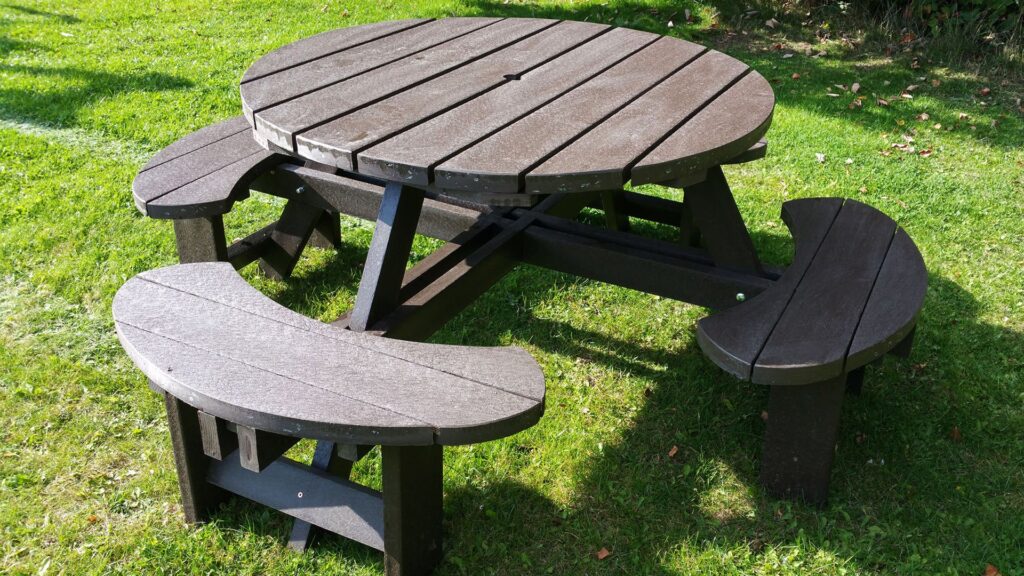
The construction of commercial outdoor picnic tables has evolved with the use of advanced techniques and material innovations. Traditional wooden tables, while classic, now compete with more modern solutions like recycled plastic and powder-coated steel. These materials not only last longer but also require significantly less maintenance.
Recycled plastic lumber, for example, has become a popular choice due to its resistance to rot, splintering, and moisture. It mimics the look of natural wood but eliminates common maintenance issues. Similarly, powder-coated steel frames resist corrosion and enhance structural stability. Concrete picnic tables, though heavy, are nearly indestructible and ideal for areas prone to vandalism.
These innovations highlight how technology and sustainable materials are shaping outdoor furniture. By combining aesthetics with resilience, commercial outdoor picnic tables now meet both functional and environmental demands.
Real-World Examples of Commercial Outdoor Picnic Tables
Example 1: Heavy-Duty Concrete Picnic Table for Public Parks
Insert image of the product: a concrete picnic table placed in a large urban park
Concrete picnic tables are a common solution for public parks and urban recreation areas. Their weight and solid construction make them resistant to theft and vandalism, while their robust durability ensures they withstand decades of outdoor use. The minimalist design of concrete tables also integrates well with green spaces, offering a natural and unobtrusive look.
This type of table is ideal for city planners who need low-maintenance and permanent seating solutions. Despite their utilitarian appearance, concrete picnic tables can be customized with smooth finishes or decorative imprints, adding subtle style without compromising strength.
Example 2: Recycled Plastic Picnic Tables for Eco-Friendly Spaces

Recycled plastic picnic tables are becoming increasingly popular in schools, universities, and eco-conscious organizations. They not only provide a safe and comfortable seating option but also promote sustainability by repurposing plastic waste into durable furniture.
These tables are resistant to rot, mold, and insect damage, making them virtually maintenance-free. Their vibrant colors don’t fade easily under sunlight, and they remain safe for children due to the absence of splinters. By investing in recycled plastic picnic tables, institutions demonstrate environmental responsibility while ensuring long-term usability.
Example 3: Powder-Coated Steel Frame Picnic Tables for Workplaces
Powder-coated steel frame picnic tables are widely used in workplaces, commercial campuses, and industrial outdoor spaces. Their combination of strength and modern design makes them suitable for areas that experience frequent use. The steel frames provide stability, while powder coating protects against rust and weather-related deterioration.
These tables often incorporate wooden or plastic tops and seats, creating a balance of comfort and structural integrity. Businesses favor these tables because they encourage outdoor collaboration, employee well-being, and casual meetings in open-air settings. Their modern aesthetic also aligns with contemporary corporate environments.
Example 4: Wheelchair-Accessible Picnic Tables for Inclusive Spaces
Wheelchair-accessible picnic tables represent inclusivity in design. They feature extended tabletops or open spaces that allow wheelchair users to sit comfortably without obstruction. These tables are often installed in schools, community centers, and parks to ensure that everyone, regardless of ability, can participate in group activities.
The relevance of these tables goes beyond function. They reflect a community’s commitment to accessibility and equality, making outdoor spaces welcoming to all. Constructed with the same durability standards as other commercial picnic tables, these inclusive designs demonstrate how thoughtful engineering can enhance social cohesion.
Benefits of Using Commercial Outdoor Picnic Tables
The benefits of commercial outdoor picnic tables extend far beyond simple seating. They provide practical solutions that enhance community engagement, encourage outdoor activity, and support sustainable development.
From a social standpoint, these tables create opportunities for group interactions, whether during lunch breaks, school activities, or community events. Their presence transforms open areas into functional spaces where people naturally gather. On a practical level, commercial outdoor picnic tables add long-term value because of their durability and low maintenance requirements.
Modern construction technologies also offer environmental benefits. Tables made from recycled materials reduce landfill waste and demonstrate sustainable practices. By investing in such designs, organizations and municipalities contribute to greener communities while meeting their outdoor furniture needs.
Practical Use Cases of Commercial Outdoor Picnic Tables
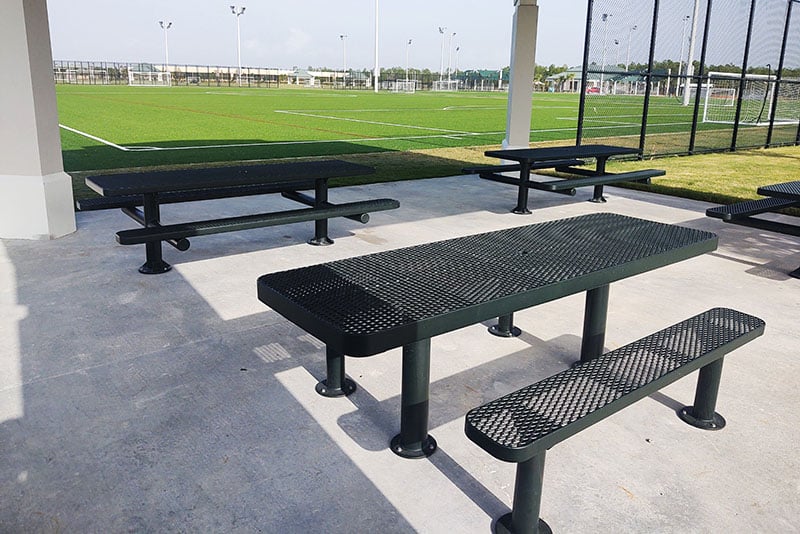
Commercial outdoor picnic tables are versatile and address multiple real-world needs. In educational settings, they serve as outdoor classrooms or lunch areas, giving students a break from indoor environments. Parks use them to encourage families and groups to spend time outdoors, supporting recreational goals.
In workplaces, picnic tables function as casual meeting areas, boosting creativity and promoting employee well-being by combining work with fresh air. Resorts and hospitality venues use them to enhance guest experiences, offering convenient spots for dining and relaxation amidst scenic backdrops.
Another use case is in urban design, where picnic tables provide seating solutions for plazas and community centers. They contribute to creating vibrant public spaces that are accessible, sustainable, and enjoyable for diverse groups of people. By addressing both functional and social challenges, commercial outdoor picnic tables prove indispensable in real-life scenarios.
Frequently Asked Questions
1. How long do commercial outdoor picnic tables last?
The lifespan depends on the material and construction. Concrete tables can last several decades with minimal maintenance, while recycled plastic and steel-framed tables often last 15–25 years. Proper installation and care extend durability further.
2. Are commercial outdoor picnic tables weather-resistant?
Yes, most are specifically designed to withstand outdoor exposure. Recycled plastic resists moisture and UV damage, powder-coated steel prevents rust, and treated wood is resistant to insects and decay. Each material offers unique advantages for specific climates.
3. Can commercial picnic tables be customized for branding or style?
Many manufacturers offer customization options, such as color choices, engraved logos, or unique finishes. This makes them adaptable for schools, businesses, or municipalities that want to align picnic tables with their identity or aesthetic.