Commercial park picnic tables are essential features in public parks, recreational areas, schools, and community spaces. Unlike residential models, these tables are designed with durability, weather resistance, and high-traffic use in mind. They provide not only a seating solution but also encourage community interaction, outdoor dining, and recreational activities.
As demand for safe, accessible, and long-lasting outdoor furniture grows, commercial park picnic tables have become a standard investment for municipalities and organizations. Their strength, low maintenance needs, and adaptability make them ideal for creating inviting public spaces that stand the test of time.
Why Commercial Park Picnic Tables Are Important for Public Spaces
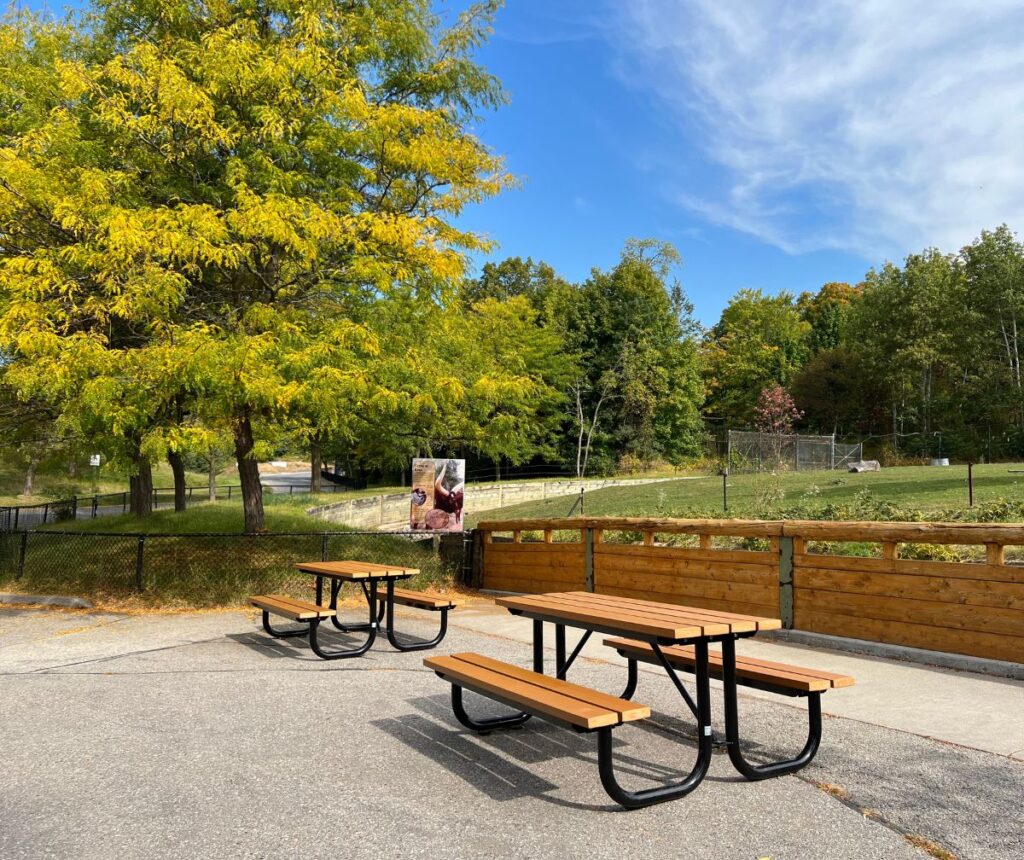
Picnic tables in public environments are more than just pieces of furniture. They serve as gathering spots for families, social groups, and individuals, promoting community engagement and outdoor recreation. A well-placed picnic table can turn an unused park corner into a hub of activity.
Additionally, these tables must withstand constant exposure to the elements, heavy use, and even vandalism. Commercial-grade options are designed to meet these challenges, offering superior materials such as recycled plastic, galvanized steel, aluminum, or treated wood. Their design balances function and accessibility, often incorporating ADA-compliant features to ensure inclusivity.
Key Features of Commercial Park Picnic Tables
Durability is the defining feature of commercial park picnic tables. Materials are selected for long lifespans, minimal maintenance, and resistance to environmental stress. For example, powder-coated steel prevents rust, while recycled plastic resists splintering and fading.
Other features include easy-to-clean surfaces, vandal-resistant hardware, and modular designs that make installation straightforward. Some designs are portable for flexible arrangements, while others are permanently anchored to prevent theft and ensure stability. These features make commercial picnic tables versatile solutions for both urban and rural settings.
The Role of Technology in Improving Picnic Tables
Advancements in materials science and design have significantly improved modern picnic tables. Coatings and treatments now extend the lifespan of wood and metal, while composite materials combine the natural appeal of wood with the resilience of plastics.
Recycled plastic has become especially popular in commercial-grade picnic tables. It is not only environmentally friendly but also resistant to moisture, insects, and UV rays. Additionally, new manufacturing technologies allow for ergonomic seating designs, ensuring comfort even during extended use. These innovations ensure that picnic tables remain practical, sustainable, and cost-effective investments.
Real-World Examples of Commercial Park Picnic Tables
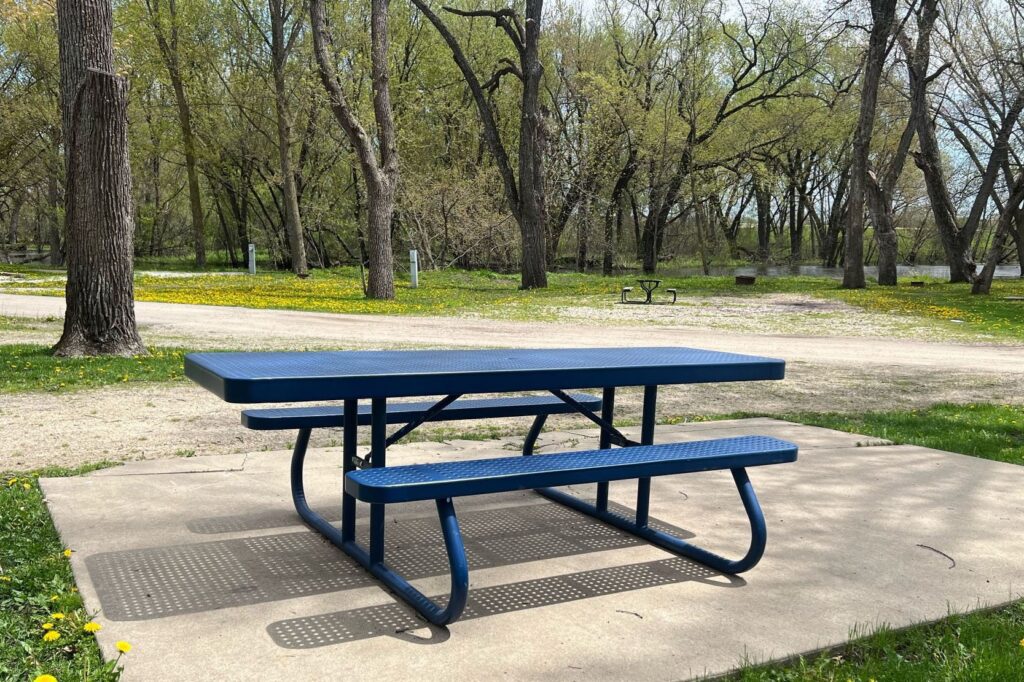
Example 1: Recycled Plastic Picnic Tables
Recycled plastic picnic tables are increasingly chosen for their environmental benefits and low maintenance needs. They mimic the look of wood but do not require staining, sealing, or sanding. Their non-porous surface resists graffiti and can be easily cleaned, making them highly practical in public spaces.
Cities and schools frequently adopt these tables because they align with sustainability goals while offering long-term cost savings. Their durability means they can withstand years of constant use without significant wear, making them a dependable solution for outdoor seating.
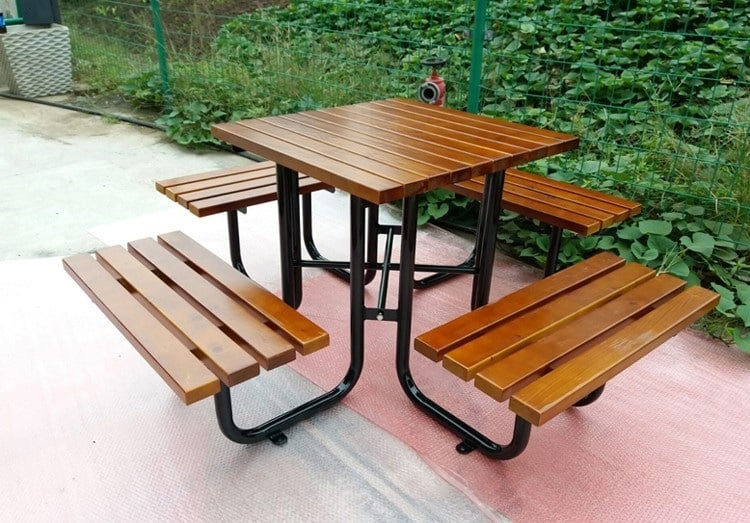
Example 2: Steel Frame Picnic Tables with Wooden Tops
Steel frame picnic tables remain a classic choice for commercial use. The steel provides structural strength, while wooden tops offer a traditional aesthetic. Pressure-treated or sealed wood ensures resistance to rot, moisture, and pests.
These tables are commonly found in campgrounds and rural parks where natural appearances are preferred. Their combination of strength and comfort makes them versatile for different outdoor settings, balancing rugged performance with inviting design.
Example 3: Aluminum Picnic Tables for Lightweight Durability
Aluminum picnic tables are favored for their lightweight yet strong structure. Unlike steel, aluminum does not rust, making it ideal for areas near beaches, lakes, or pools. They are also easy to move for event setups or reconfiguration of park layouts.
Wire-reinforced aluminum planks add durability while remaining comfortable for seating. Many municipalities prefer these tables in coastal regions because they provide long-lasting performance with minimal upkeep. Their portability also makes them popular for multipurpose venues.
Example 4: Concrete Picnic Tables for Permanent Installation
Concrete picnic tables represent the ultimate in durability and permanence. They are nearly impossible to vandalize or steal and withstand decades of exposure to harsh weather conditions. Their weight and stability make them ideal for high-traffic areas like university campuses, rest stops, and public parks.
Although less portable, concrete tables require virtually no maintenance once installed. Their ability to endure heavy use makes them cost-effective over time, particularly in environments where stability and strength are critical.
Example 5: ADA-Compliant Accessible Picnic Tables
Accessibility is a crucial consideration in modern park design. ADA-compliant picnic tables feature extended tops or modified seating arrangements to accommodate wheelchairs. These tables ensure inclusivity, allowing everyone to enjoy outdoor dining and recreation.
They are particularly relevant for community parks, schools, and urban green spaces, where equitable access is a priority. By investing in accessible furniture, municipalities demonstrate a commitment to inclusivity and compliance with public space regulations.
Benefits of Using Commercial Park Picnic Tables
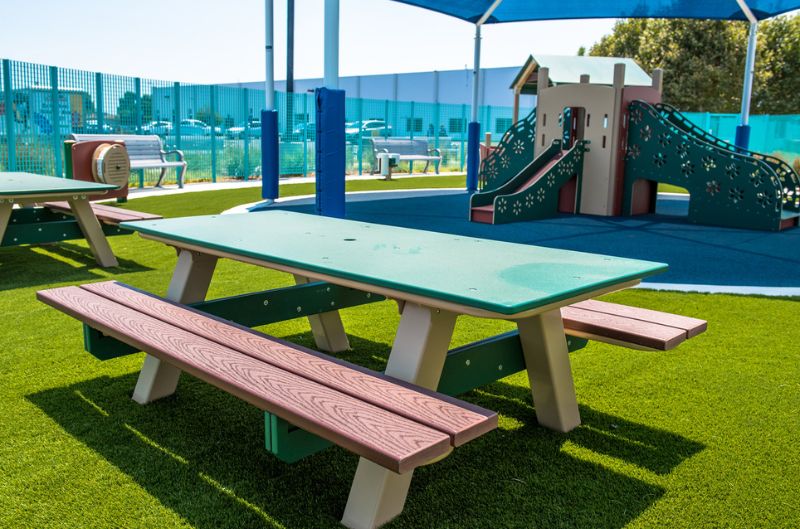
Commercial park picnic tables offer multiple benefits beyond simple seating. They provide safe, sturdy places for individuals and families to gather, eat, or rest. Their durability reduces replacement frequency, saving municipalities and organizations money in the long run.
These tables also encourage outdoor activities, promoting healthier lifestyles by creating inviting environments for dining, studying, or working outside. Additionally, they foster social interaction, turning public spaces into community hubs where people connect. When designed with eco-friendly materials, they also contribute positively to sustainability initiatives.
Use Cases: Solving Real Problems with Picnic Tables
Encouraging Outdoor Recreation
Picnic tables invite people to spend more time outside, supporting wellness initiatives and providing alternatives to indoor dining.
Supporting Community Engagement
Parks equipped with durable tables become gathering spots for events, picnics, and celebrations, strengthening social ties.
Providing Accessibility
ADA-compliant models solve the problem of exclusion by ensuring everyone, including people with disabilities, can use public spaces comfortably.
Enhancing Safety and Stability
Commercial-grade designs prevent accidents caused by flimsy residential furniture, offering stable, safe options for high-traffic areas.
Reducing Maintenance Costs
Weatherproof materials and vandal-resistant construction reduce repair and replacement needs, lowering long-term operational costs for municipalities.
Frequently Asked Questions
1. What materials are best for commercial park picnic tables?
The best materials depend on the environment. Recycled plastic and aluminum are ideal for low-maintenance needs, while concrete provides maximum durability. Steel with treated wood offers a balance between strength and aesthetics.
2. How long do commercial park picnic tables typically last?
With proper care, commercial-grade picnic tables can last anywhere from 10 to 30 years, depending on the material. Concrete and recycled plastic often have the longest lifespans.
3. Are all commercial picnic tables weather-resistant?
Most are designed for outdoor durability, but performance varies by material. Aluminum and recycled plastic handle rain and sun exceptionally well, while treated wood requires occasional upkeep to maintain its longevity.